Seeing the whole picture
Seeing the whole picture
Mapping the first end-to-end AWS Outposts user journey
Mapping the first end-to-end AWS Outposts user journey
Amazon
2024
tldr
tldr
Product
Product
AWS Outposts: 1U/2U servers and 42U racks that extend AWS infrastructure and APIs to organizations running low-latency, data-sensitive workloads on premises.
AWS Outposts: 1U/2U servers and 42U racks that extend AWS infrastructure and APIs to organizations running low-latency, data-sensitive workloads on premises.
Role
Role
Customer Experience Lead
Customer Experience Lead
Problem
Problem
After a major re-org, there was no shared understanding of the full Outposts customer journey, where the biggest friction lived, or what should be improved first.
After a major re-org, there was no shared understanding of the full Outposts customer journey, where the biggest friction lived, or what should be improved first.
Outcome
Outcome
I created the first holistic CX foundation for Outposts by mapping the full customer lifecycle, auditing key workflows and surfaces, and identifying the highest leverage usability and service gaps to inform future roadmap decisions.
I created the first holistic CX foundation for Outposts by mapping the full customer lifecycle, auditing key workflows and surfaces, and identifying the highest leverage usability and service gaps to inform future roadmap decisions.
Overview
Overview
A new org and a new role
A new org and a new role
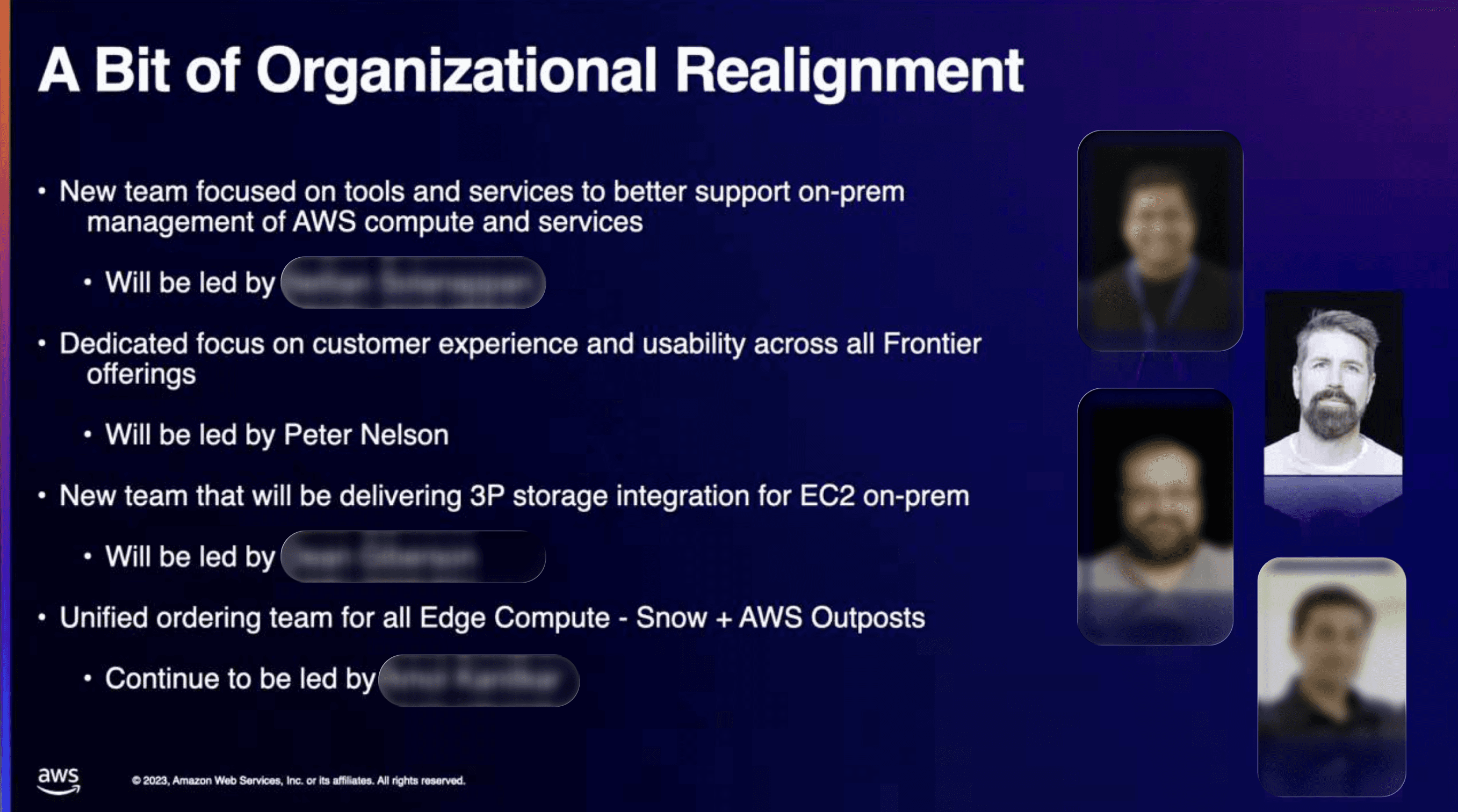
In the summer of 2024, I landed under new leadership with an exciting charter to own the entire customer experience for AWS Outposts.
It was a brand new org, a brand new product (to me at least), and a brand new team. So I had to get up to speed fast on a pretty messy ecosystem that consisted of multiple products, a web of internal teams, loads of backend dependencies, and a lot of technical knowledge (most of which lived inside people’s heads).
In the summer of 2024, I landed under new leadership with an exciting charter to own the entire customer experience for AWS Outposts.
It was a brand new org, a brand new product (to me at least), and a brand new team. So I had to get up to speed fast on a pretty messy ecosystem that consisted of multiple products, a web of internal teams, loads of backend dependencies, and a lot of technical knowledge (most of which lived inside people’s heads).
Problem
Problem
No one had the full picture
No one had the full picture

Outposts are fully managed AWS servers and racks that bring cloud infrastructure and services on prem, deployed in customer data centers and managed through familiar AWS tools.
They’re not a simple software product. The product spans hardware, cloud infrastructure, logistics, installation, migration, operations, and shipping.
Customers experience one journey. But behind the scenes, the journey was fragmented across multiple teams, tools, and dozens of ownership boundaries. That made basic questions hard to answer.
Where are customers getting stuck?
What parts of the experience are actually working well?
What should we fix first?
Without a shared map, teams made siloed decisions without a complete view of the end-to-end experience.
Outposts are fully managed AWS servers and racks that bring cloud infrastructure and services on prem, deployed in customer data centers and managed through familiar AWS tools.
They’re not a simple software product. The product spans hardware, cloud infrastructure, logistics, installation, migration, operations, and shipping.
Customers experience one journey. But behind the scenes, the journey was fragmented across multiple teams, tools, and dozens of ownership boundaries. That made basic questions hard to answer.
Where are customers getting stuck?
What parts of the experience are actually working well?
What should we fix first?
Without a shared map, teams made siloed decisions without a complete view of the end-to-end experience.
Discovery
Discovery
Looking beneath the surface
Looking beneath the surface
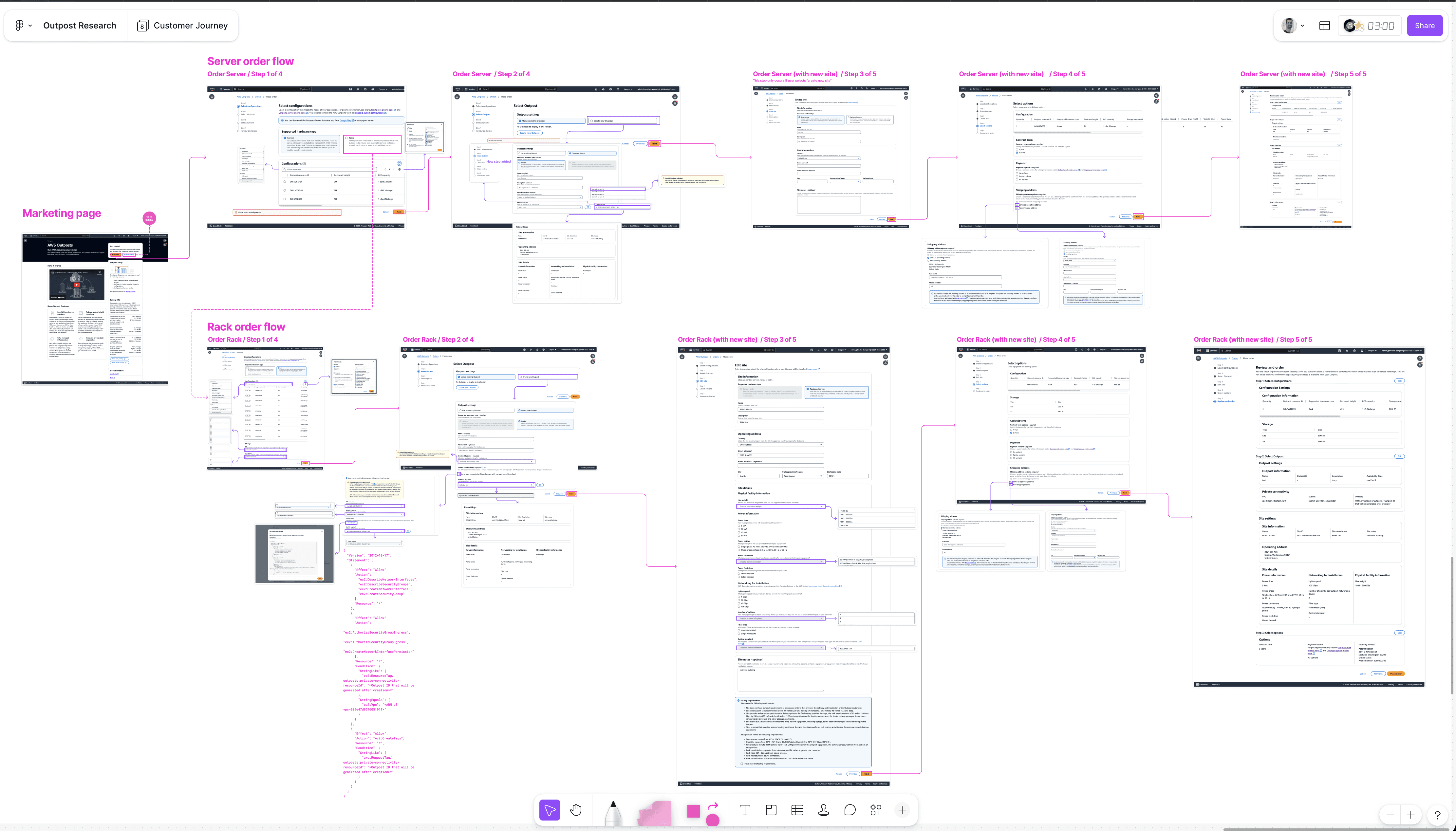
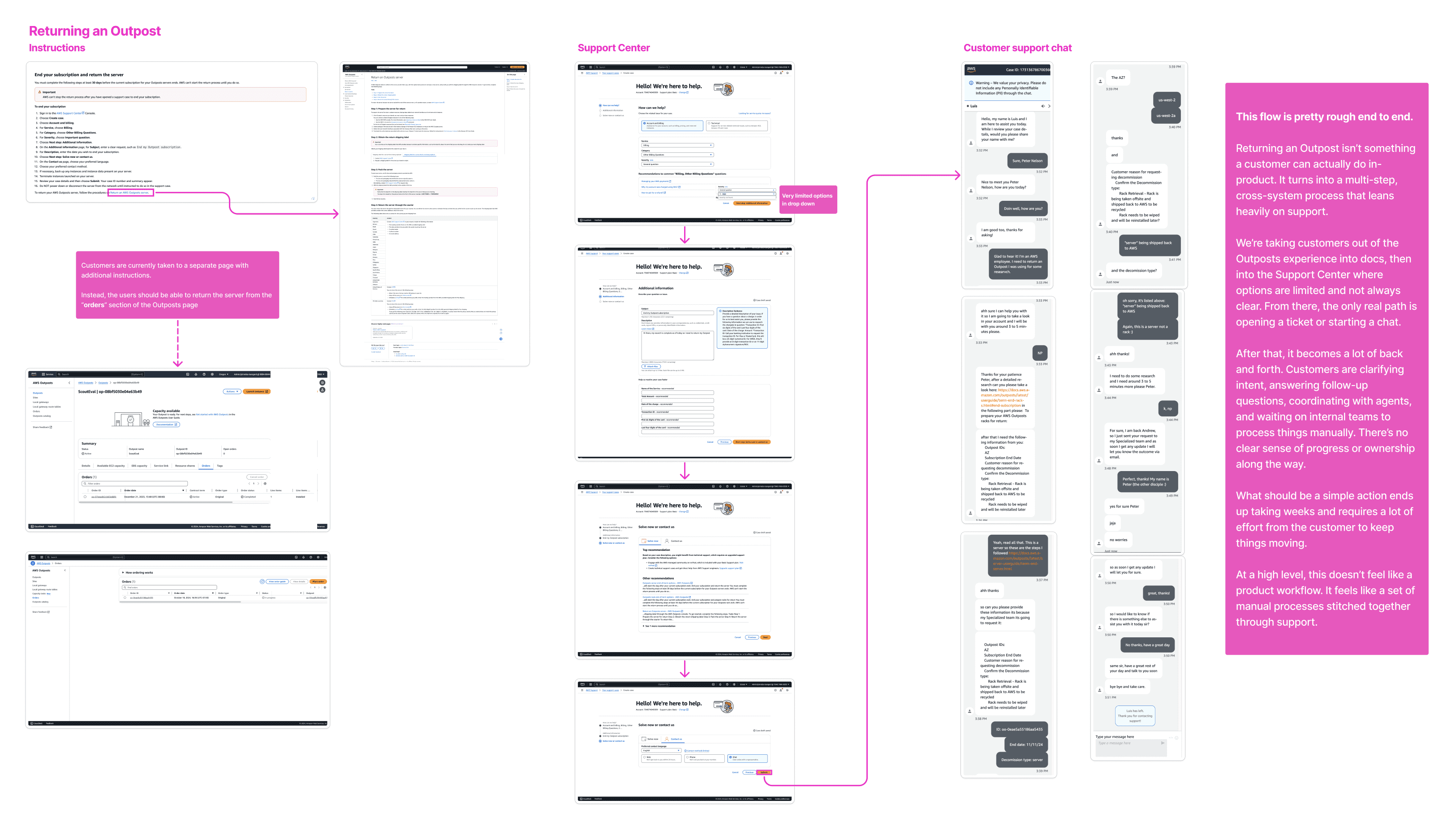
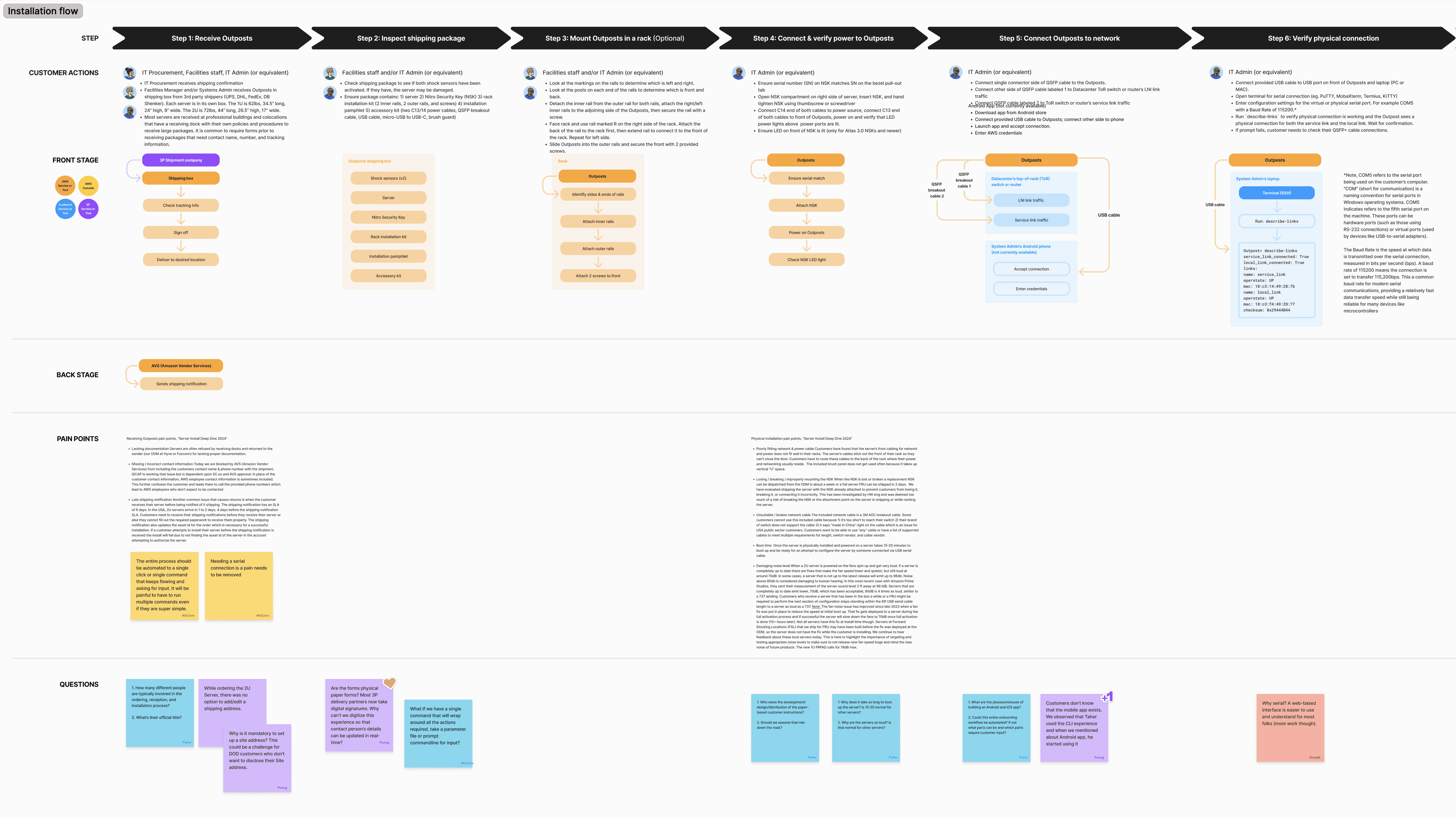
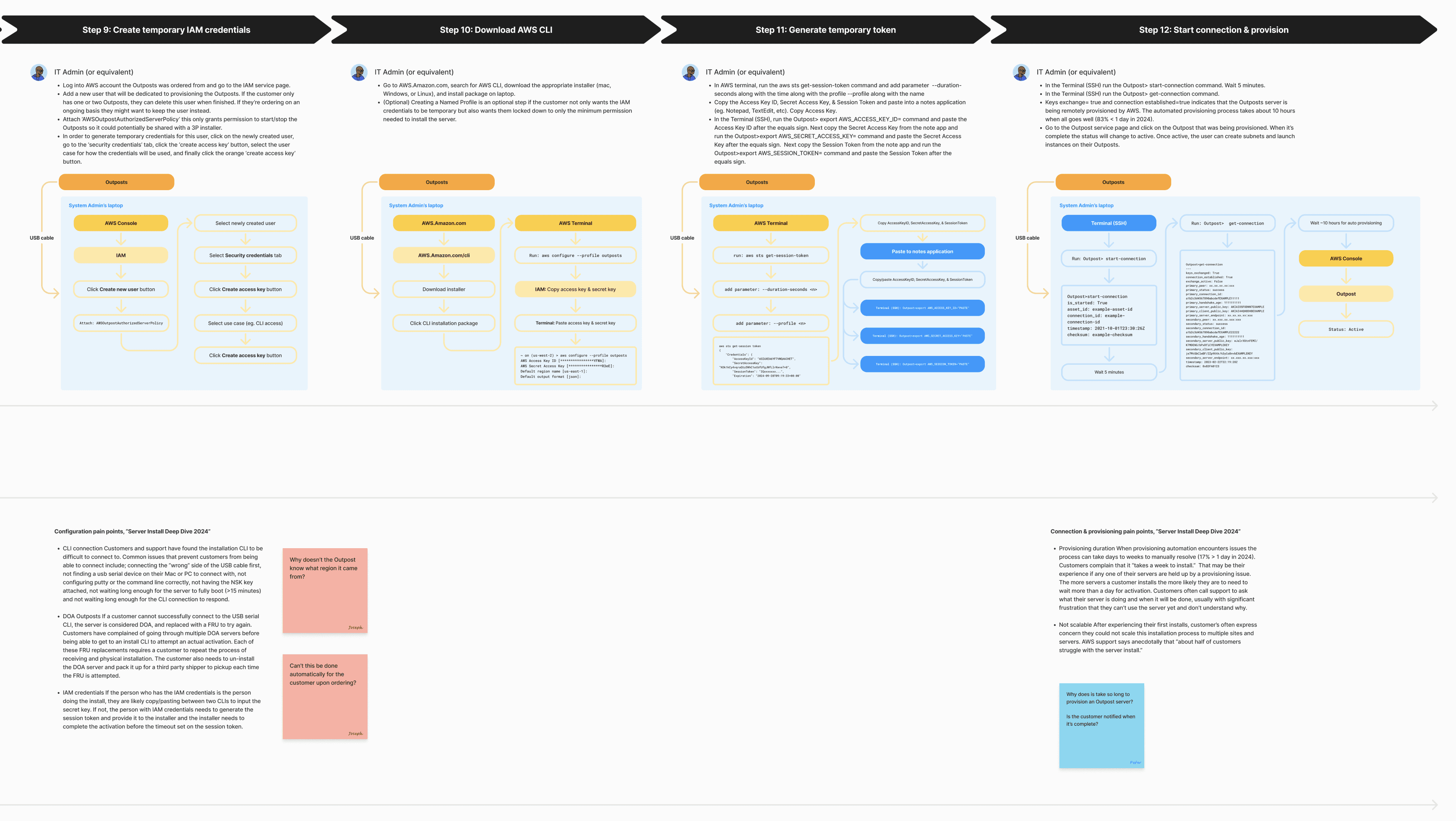
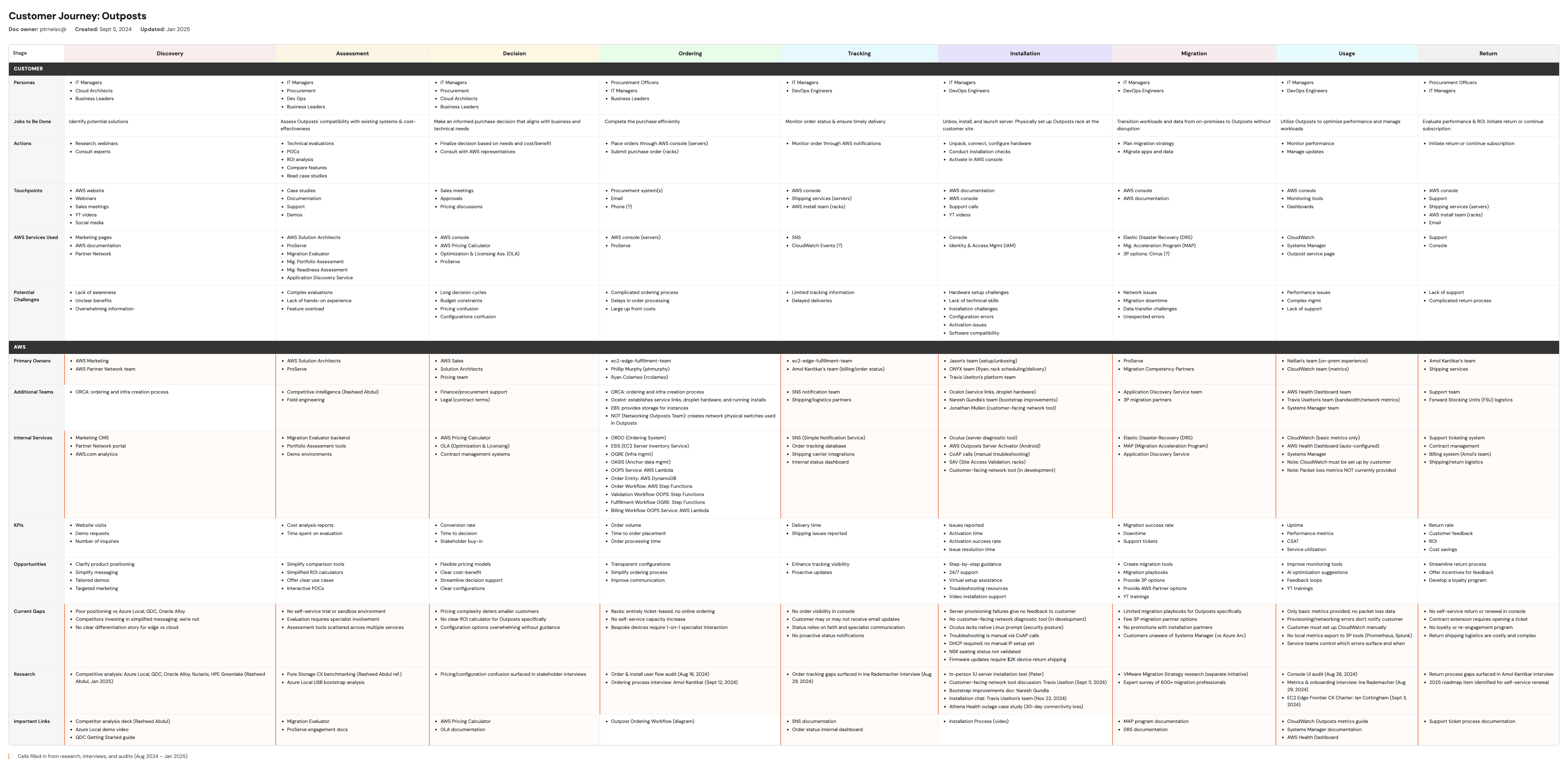
I started by mapping the current Outposts journey across five stages: ordering, tracking, unboxing, installation, and returning.
For each stage, I captured key touchpoints, personas, the services involved, and the pain points along the way.
I started by mapping the current Outposts journey across five stages: ordering, tracking, unboxing, installation, and returning.
For each stage, I captured key touchpoints, personas, the services involved, and the pain points along the way.
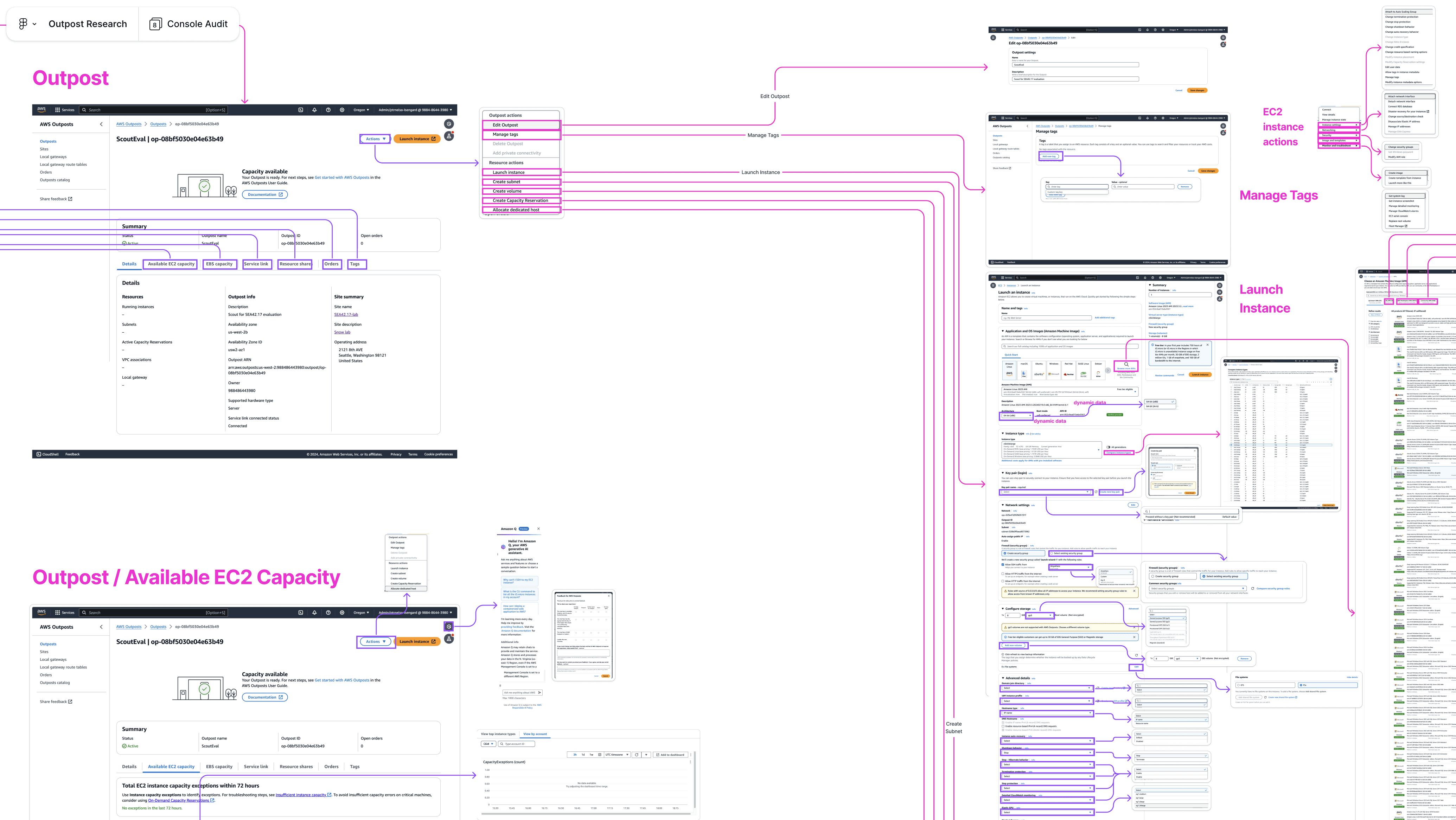
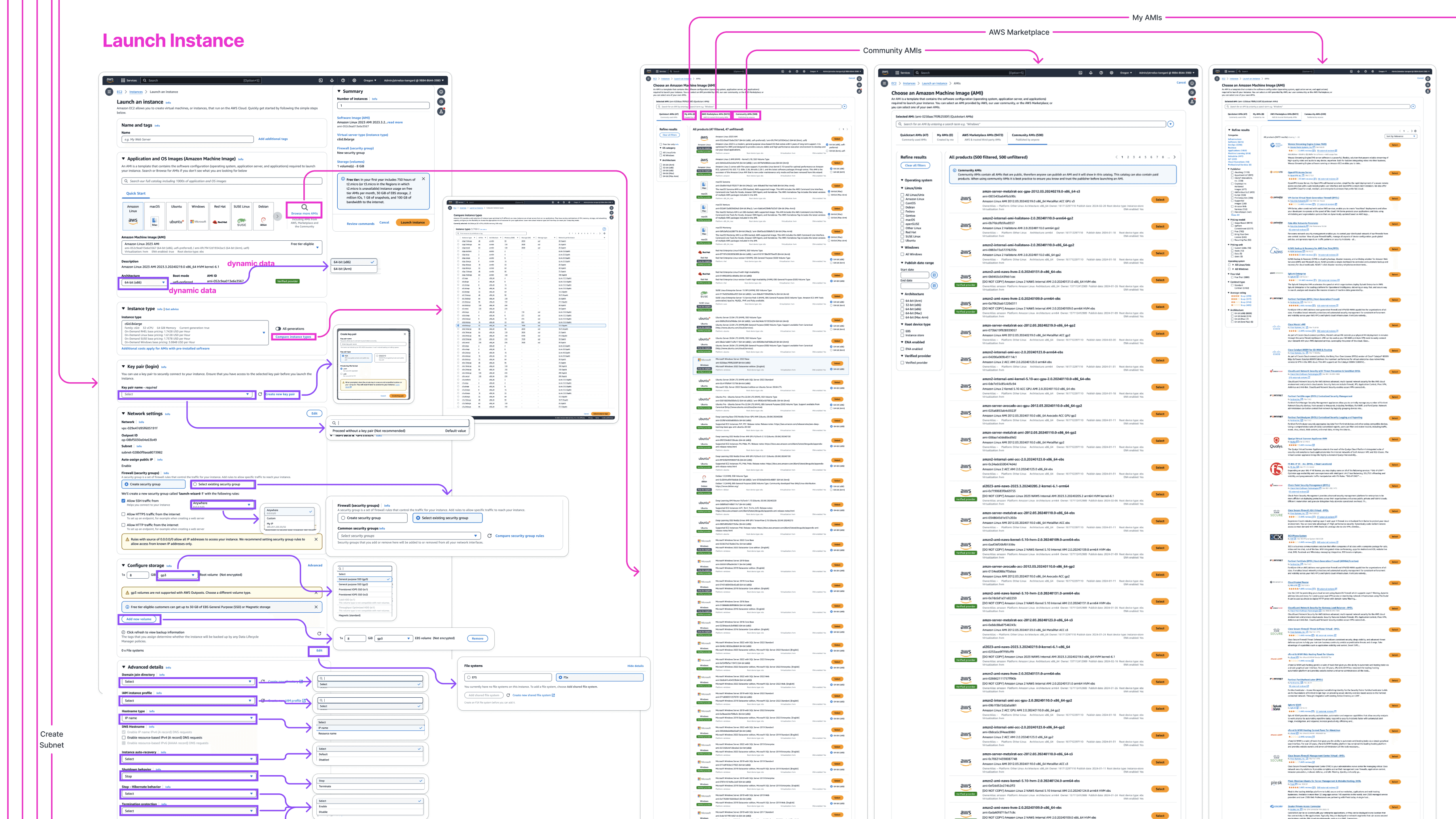
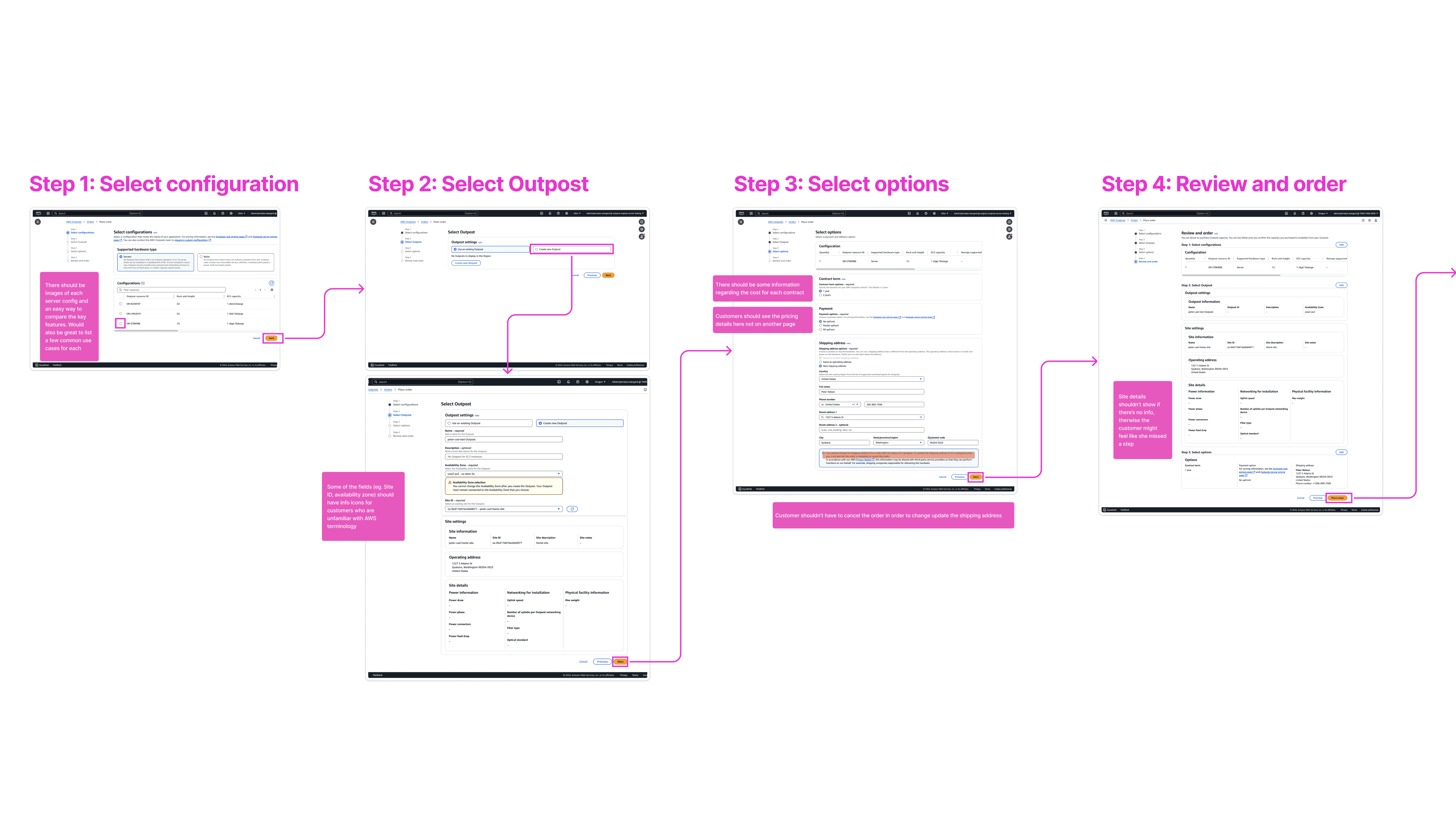
I went a layer deeper with a heuristic analysis of the Outposts service page in the AWS console, evaluating user flows, interface patterns, and core jobs to be done.
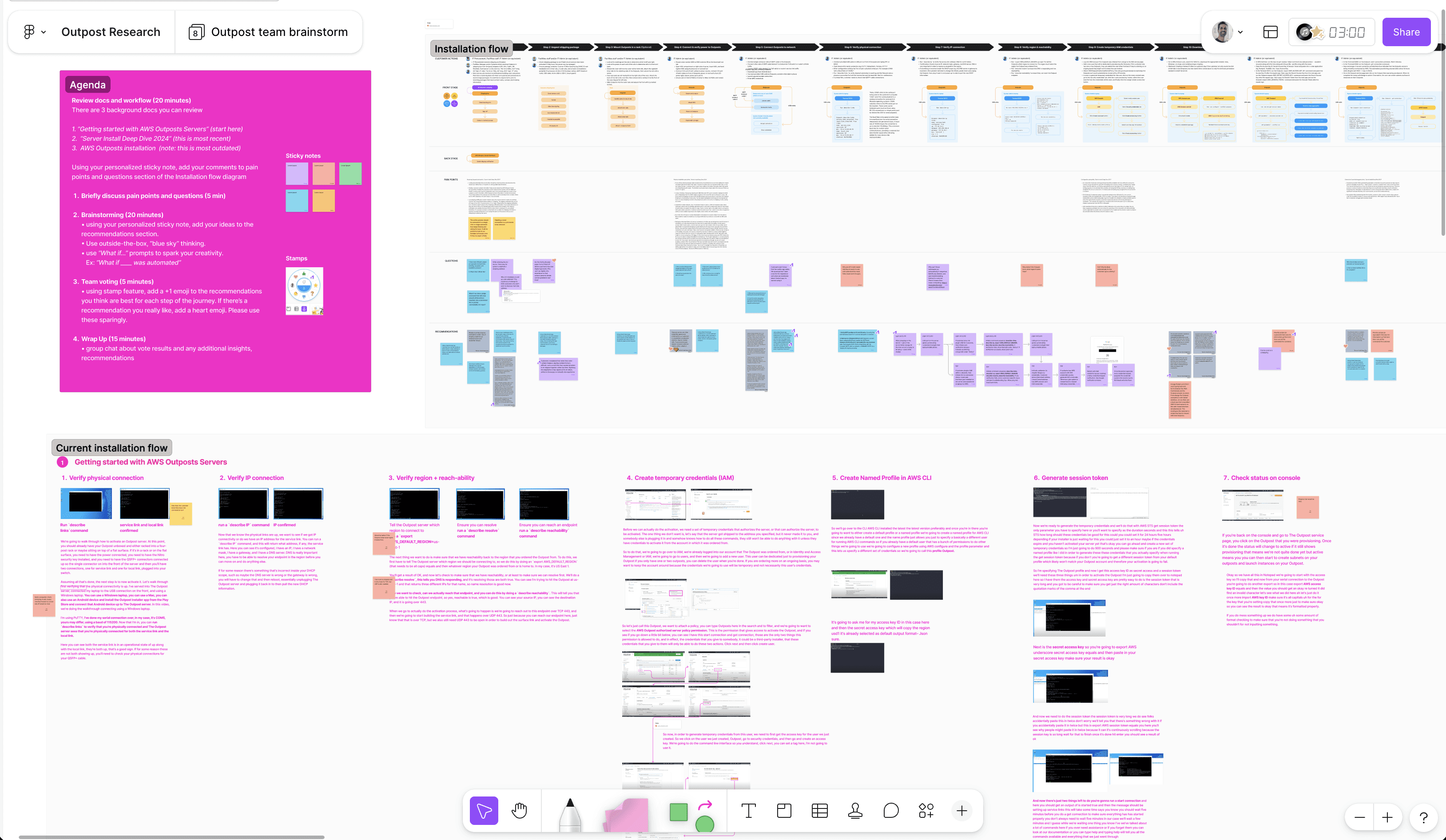
Then I led cross-functional workshops to walk through the current experience, highlight key pain points, and generate ideas to improve them.
I went a layer deeper with a heuristic analysis of the Outposts service page in the AWS console, evaluating user flows, interface patterns, and core jobs to be done.
Then I led cross-functional workshops to walk through the current experience, highlight key pain points, and generate ideas to improve them.
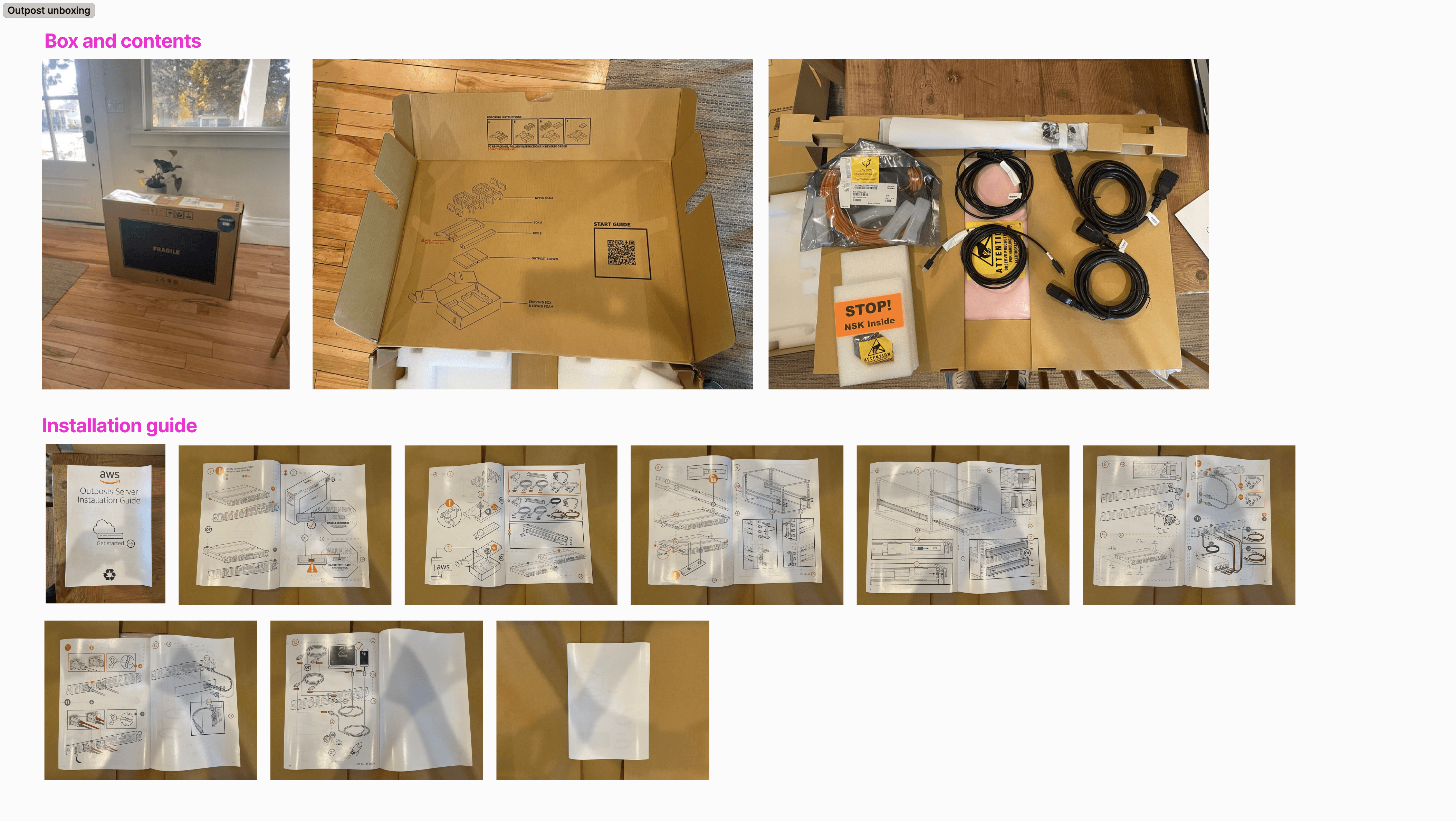
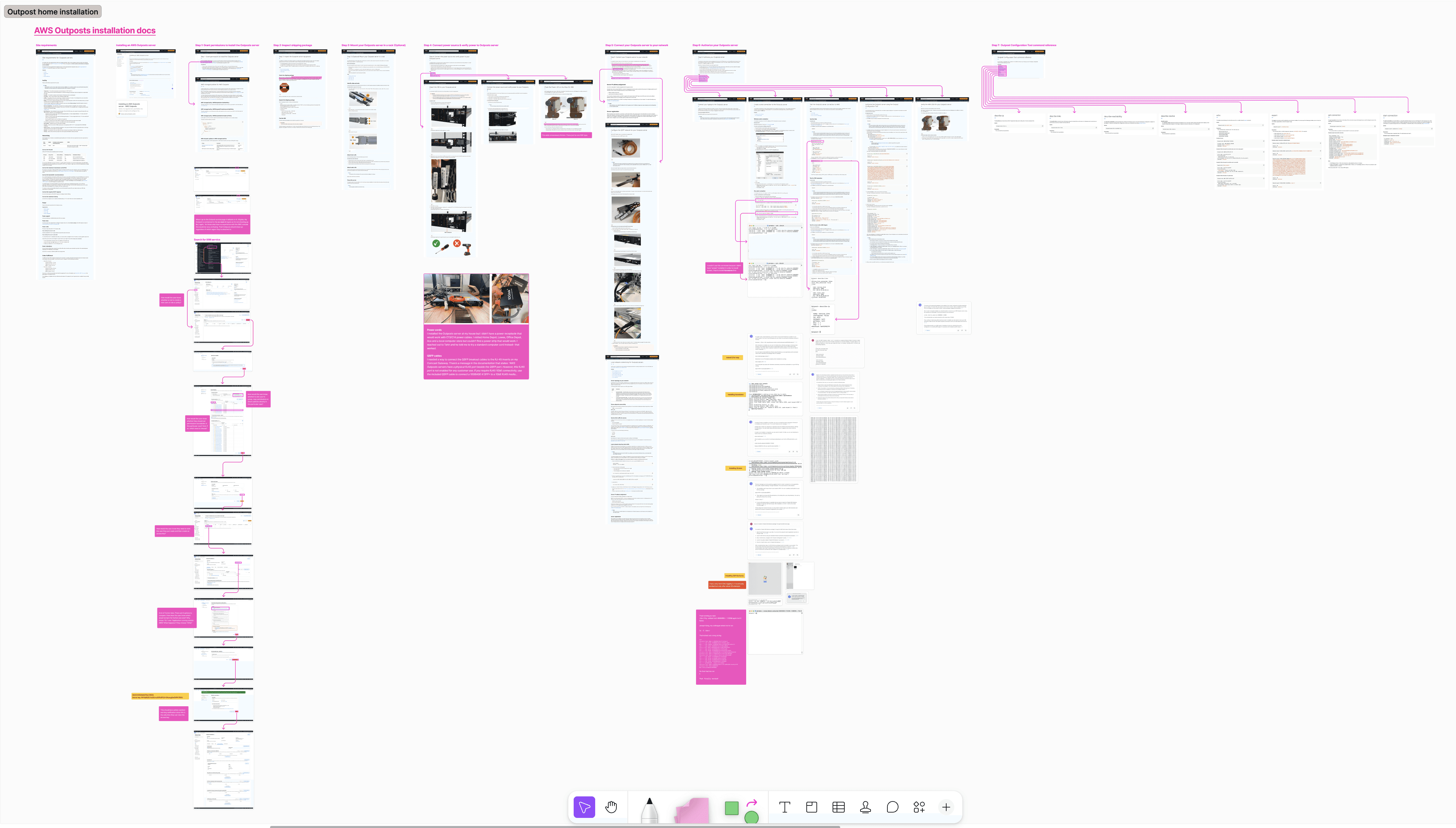
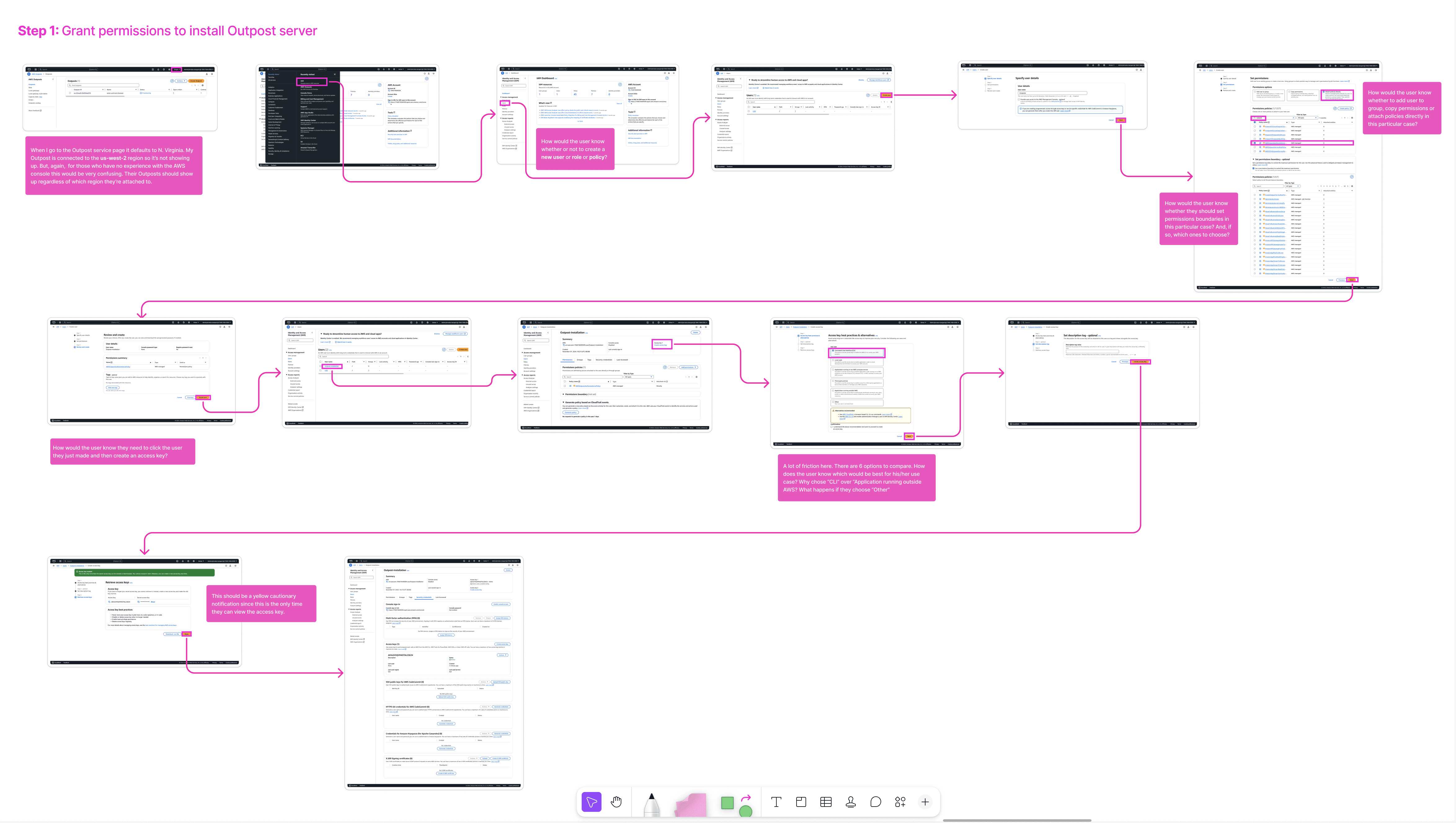
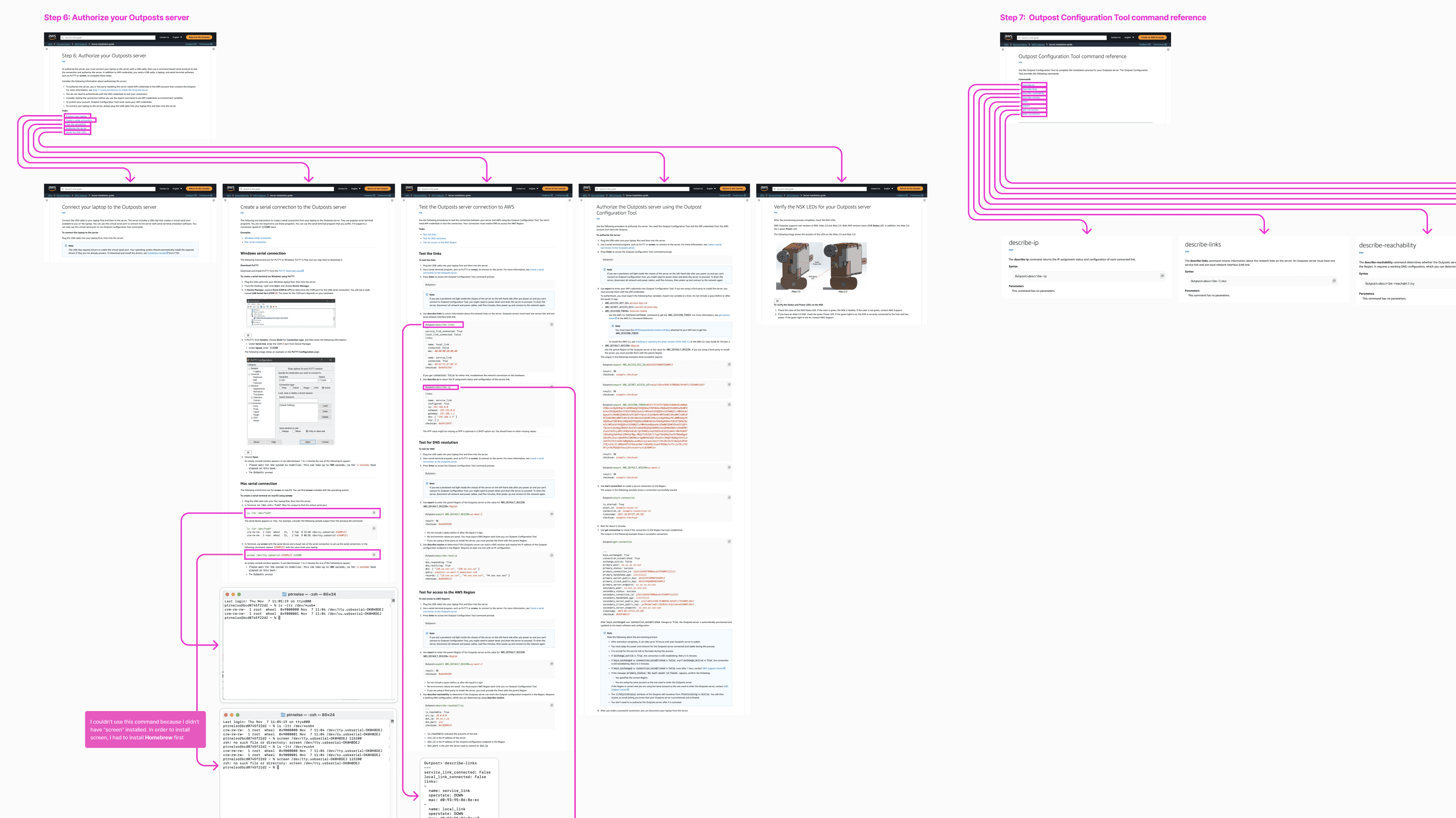
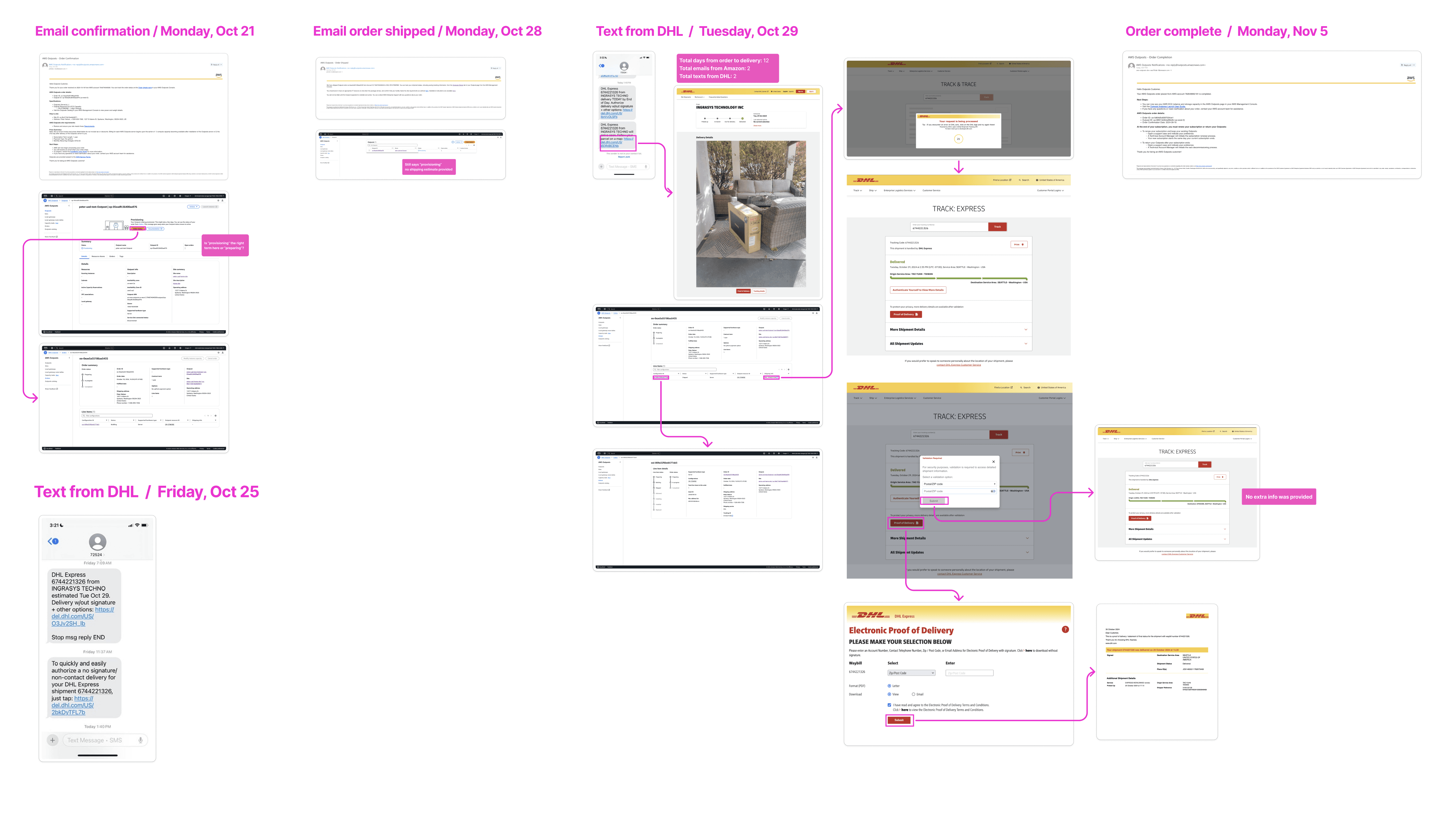
I also had an Outpost server delivered to my home so I could document the real-world experience from ordering and unboxing through launch and return.
I also had an Outpost server delivered to my home so I could document the real-world experience from ordering and unboxing through launch and return.
Solution
Solution
Speaking with stakeholders
Speaking with stakeholders

Lastly, I interviewed key stakeholders across the org.
What emerged was an experience held together by manual processes and a whole lot of faith.
Customers lacked basic metrics like packet loss for troubleshooting
Capacity increases and contract renewals were fully ticket driven
One team described a 30 day connectivity outage at a major healthcare customer, made worse by missing diagnostic tooling
Azure Local, Google Distributed Cloud, and Oracle Alloy were all moving toward simpler, self serve experiences while ours stayed operationally heavy
Together, these patterns gave us a shared view of what existed, what was broken, and where to drive the most value first.
Lastly, I interviewed key stakeholders across the org.
What emerged was an experience held together by manual processes and a whole lot of faith.
Customers lacked basic metrics like packet loss for troubleshooting
Capacity increases and contract renewals were fully ticket driven
One team described a 30 day connectivity outage at a major healthcare customer, made worse by missing diagnostic tooling
Azure Local, Google Distributed Cloud, and Oracle Alloy were all moving toward simpler, self serve experiences while ours stayed operationally heavy
Together, these patterns gave us a shared view of what existed, what was broken, and where to drive the most value first.
Impact
Impact
A foundation, not a finish line
A foundation, not a finish line
All of this research turned a vague charter into something actionable.
Instead of talking abstractly about "improving Outposts CX," we had a concrete view of the customer lifecycle, the most painful touchpoints, and the highest leverage opportunities that fed directly into our Q4 2024 and 2025 roadmap.
Key outcomes:
20+ priority roadmap opportunities identified across the Outposts lifecycle including AI/ML workloads and online end-of-term experience improvements.
80+ usability issues surfaced in the console audit including billing transparency gaps and single-order server provisioning constraints.
30+ friction points identified from my home installation research including issues setting up VPN connections and reliance on 3P shipping partners.
All of this research turned a vague charter into something actionable.
Instead of talking abstractly about "improving Outposts CX," we had a concrete view of the customer lifecycle, the most painful touchpoints, and the highest leverage opportunities that fed directly into our Q4 2024 and 2025 roadmap.
Key outcomes:
20+ priority roadmap opportunities identified across the Outposts lifecycle including AI/ML workloads and online end-of-term experience improvements.
80+ usability issues surfaced in the console audit including billing transparency gaps and single-order server provisioning constraints.
30+ friction points identified from my home installation research including issues setting up VPN connections and reliance on 3P shipping partners.
Reflection
Reflection
Knowing which direction to row
Knowing which direction to row

When I joined the Outposts team, there was no shared understanding of the end-to-end customer experience, so decisions were driven largely by hunches.
This was the first time anyone had mapped, audited, and made the full Outposts experience visible across teams. Product and engineering finally had a shared picture of the customer journey. Teams that had been solving problems in isolation could finally see how their piece connected to the whole.
That changed our roadmap conversations. Instead of debating priorities based on opinions, we could lean into evidence grounded in real customer friction.
This foundation directly informed roadmap planning and accelerated work on end-of-term experiences and installation improvements. The research framework kept producing insights well past Q4, 2024.
When I joined the Outposts team, there was no shared understanding of the end-to-end customer experience, so decisions were driven largely by hunches.
This was the first time anyone had mapped, audited, and made the full Outposts experience visible across teams. Product and engineering finally had a shared picture of the customer journey. Teams that had been solving problems in isolation could finally see how their piece connected to the whole.
That changed our roadmap conversations. Instead of debating priorities based on opinions, we could lean into evidence grounded in real customer friction.
This foundation directly informed roadmap planning and accelerated work on end-of-term experiences and installation improvements. The research framework kept producing insights well past Q4, 2024.
Working on this project is a reminder that sometimes the most important design decisions happen below the surface. The banner is simple.
The hard part is the metadata schema underneath it, and getting hundreds of service teams to describe their features the same way. It's a systems problem.
When should a recommendation appear? When should it stay quiet? When should it never come back? Those decisions get made in the schema, not the UI.
Let’s chat
© 2026