Home is where the art lives.
Home is where the art lives.
Connecting artists, fans, and hosts through intimate live events.
Connecting artists, fans, and hosts through intimate live events.
Threshold
2018-2025
tldr
tldr
Product
Product
Threshold: a progressive web app connecting performing artists with fans through live, home-based events.
Threshold: a progressive web app connecting performing artists with fans through live, home-based events.
Role
Role
Founder, CEO, brand, research and design lead
Founder, CEO, brand, research and design lead
Problem
Problem
House shows were growing, but artists, fans, and hosts had no reliable way to find each other, coordinate events, or sell tickets.
House shows were growing, but artists, fans, and hosts had no reliable way to find each other, coordinate events, or sell tickets.
Outcome
Outcome
I launched a three-sided marketplace in less than 8 months, sold out 3 events, and validated demand before a global pandemic forced a pivot.
I launched a three-sided marketplace in less than 8 months, sold out 3 events, and validated demand before a global pandemic forced a pivot.
Overview
Overview
Every home a venue.
Every home a venue.
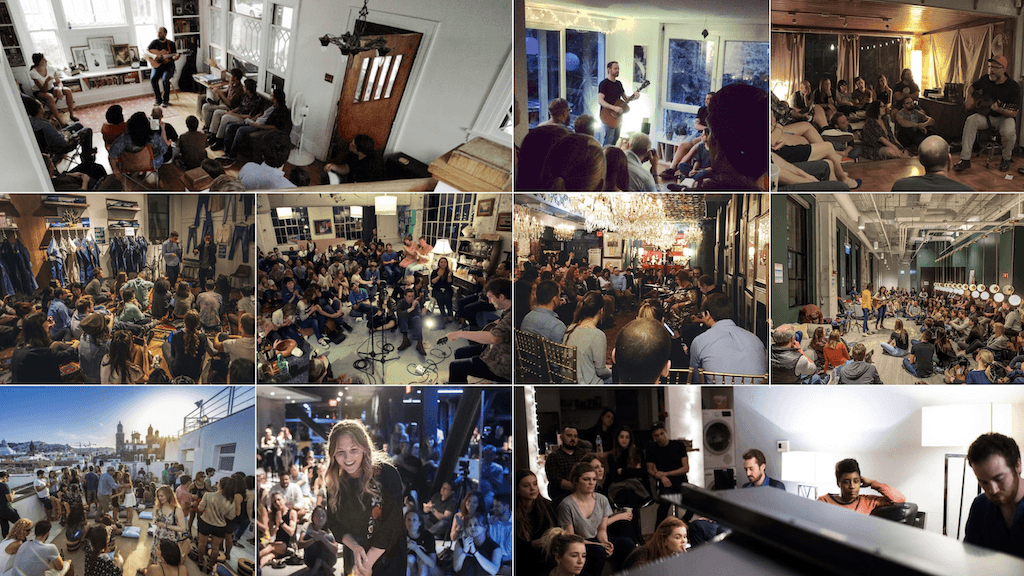
Threshold was a three-sided marketplace that helped performing artists find their fans globally and set up live events in their fans home or business.
As the solo founder, I handled everything from market research, business model development, brand identity, product design, and go-to-market strategy.
Our business model allowed artists to keep the majority of the revenue from event while giving their fans a unique way to connect with them perform in unique, intimate spaces.
Threshold was a three-sided marketplace that helped performing artists find their fans globally and set up live events in their fans home or business.
As the solo founder, I handled everything from market research, business model development, brand identity, product design, and go-to-market strategy.
Our business model allowed artists to keep the majority of the revenue from event while giving their fans a unique way to connect with them perform in unique, intimate spaces.
Problem
Problem
Too few venues, too small a cut
Too few venues, too small a cut
Threshold was built to solve three connected problems in the live performance market.
First, there simply aren't enough venues. Traditional spaces are limited, hard to book, and didn’t work well for many independent performers.
Second, when artists did land a venue, those venues often took a large cut of ticket and merch revenue, leaving performers with too little to justify the effort.
At the same time, house shows were growing as a grassroots alternative. They were intimate, affordable, and often better for both artists and fans. But they were also fragmented, hard to organize, and mostly spread by word of mouth. There was no easy way for performers to find hosts, for hosts to coordinate events, or for fans to discover and attend them.
Threshold was my attempt to make that hidden ecosystem visible, organized, and financially viable.
As both a musician and founder, this was a problem that was close to my heart and I believed I had the right mix of industry understanding and product thinking to try to solve it.
Threshold was built to solve three connected problems in the live performance market.
First, there simply aren't enough venues. Traditional spaces are limited, hard to book, and didn’t work well for many independent performers.
Second, when artists did land a venue, those venues often took a large cut of ticket and merch revenue, leaving performers with too little to justify the effort.
At the same time, house shows were growing as a grassroots alternative. They were intimate, affordable, and often better for both artists and fans. But they were also fragmented, hard to organize, and mostly spread by word of mouth. There was no easy way for performers to find hosts, for hosts to coordinate events, or for fans to discover and attend them.
Threshold was my attempt to make that hidden ecosystem visible, organized, and financially viable.
As both a musician and founder, this was a problem that was close to my heart and I believed I had the right mix of industry understanding and product thinking to try to solve it.
Discovery
Discovery
Listening before building
Listening before building
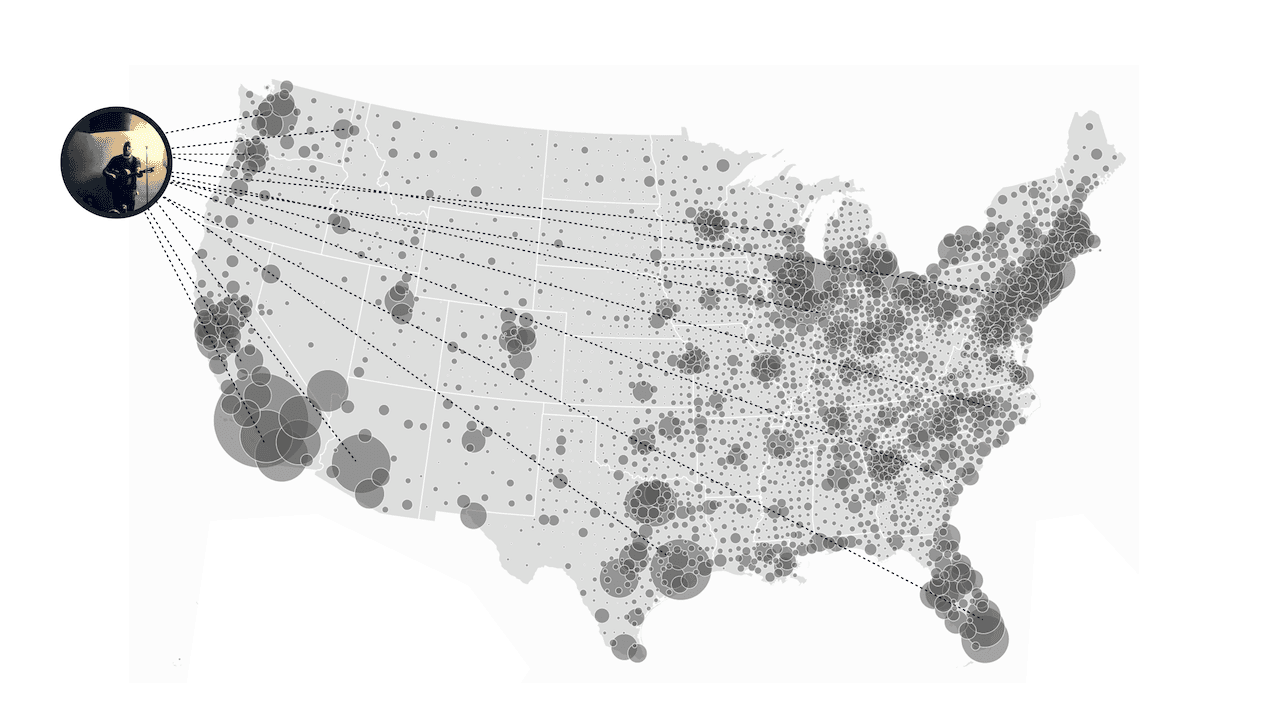
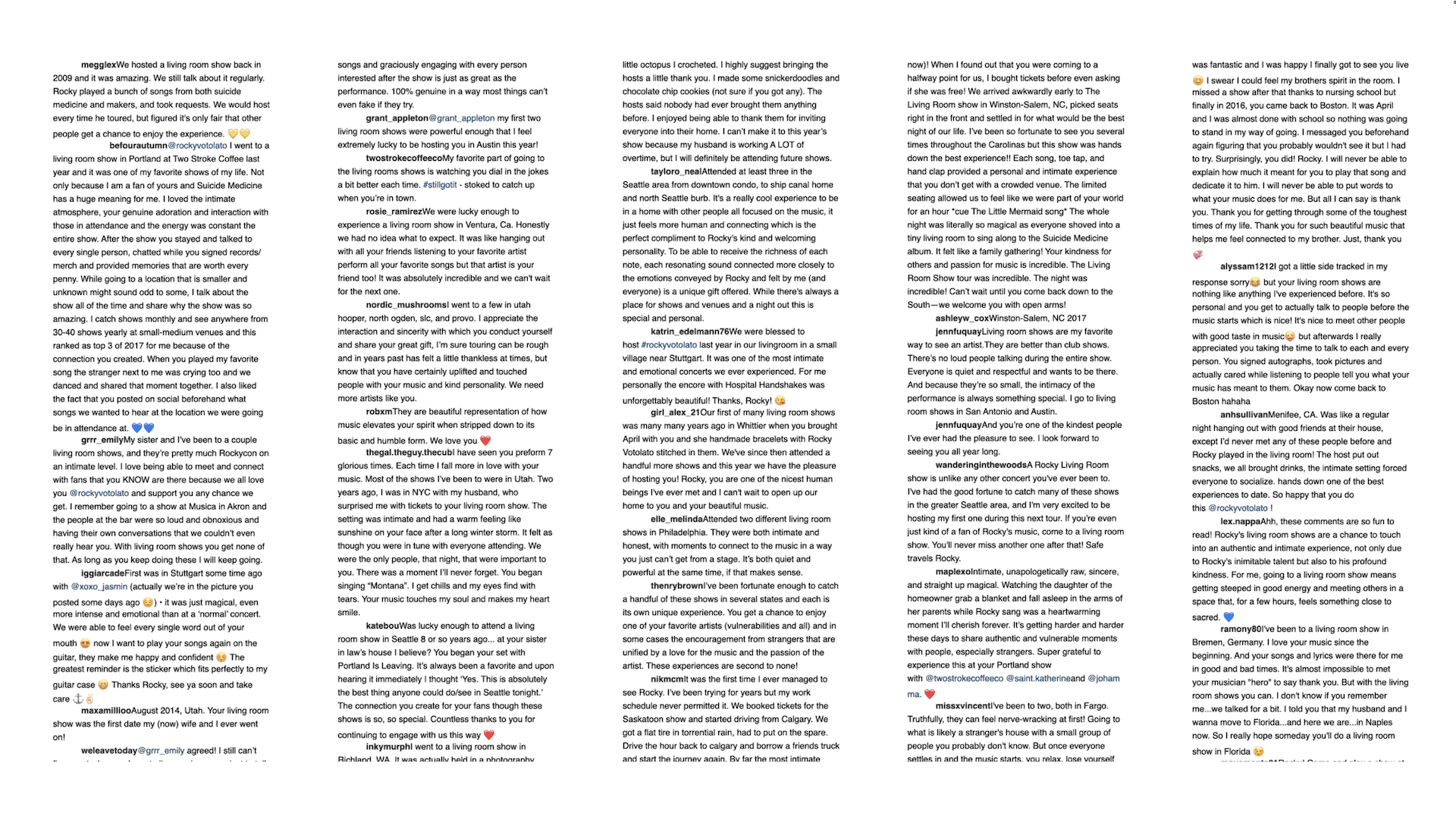
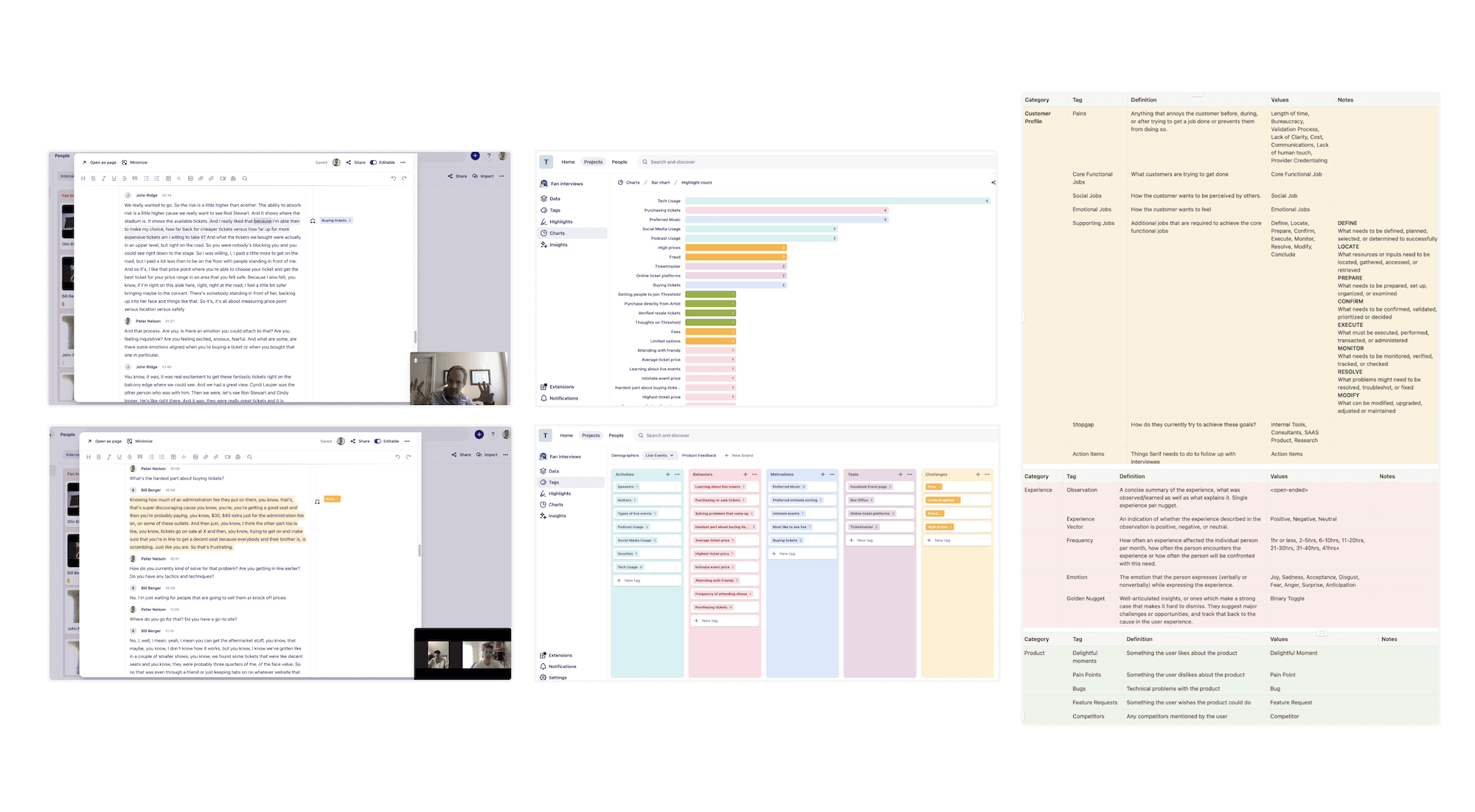
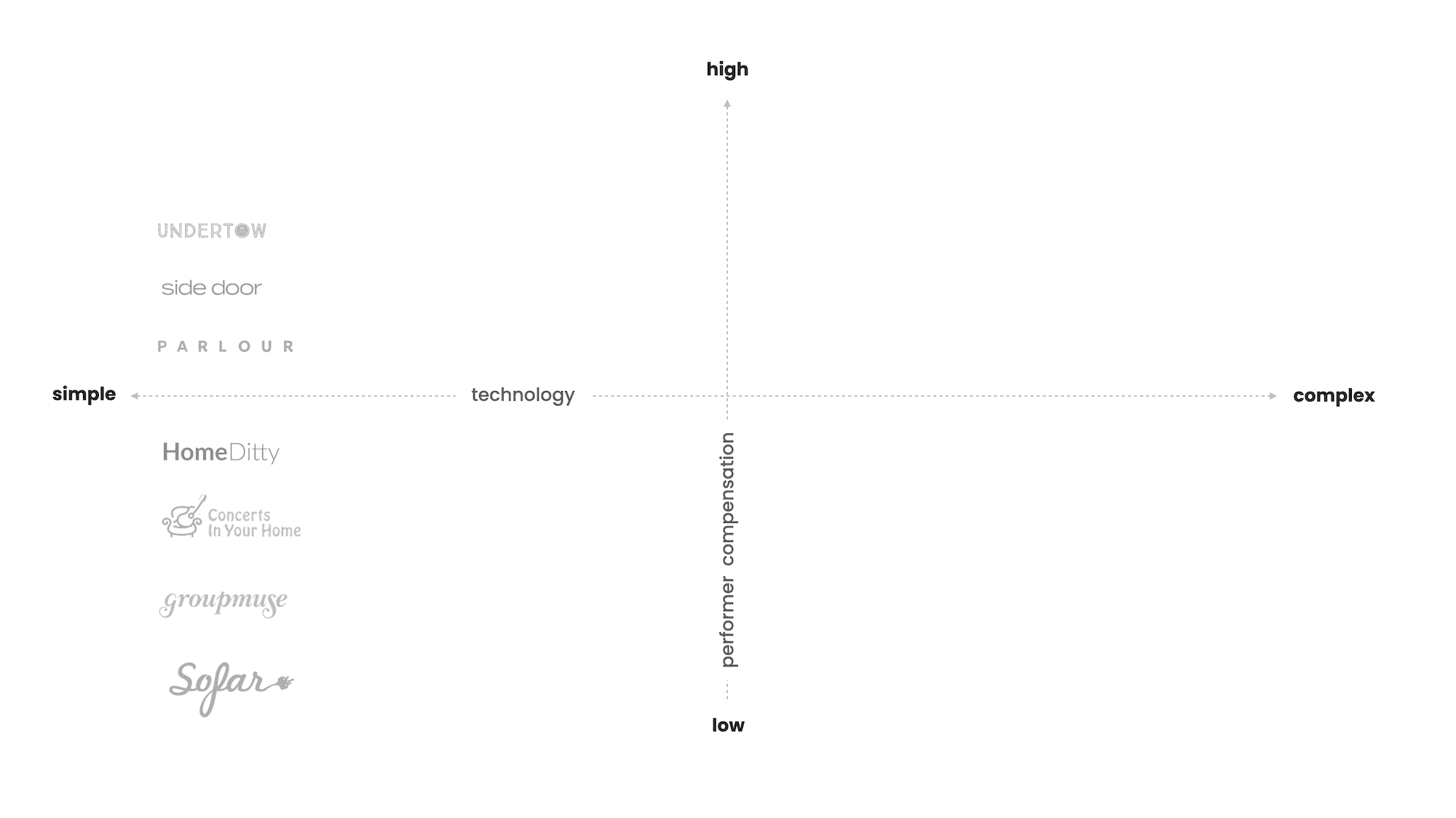
No one had a clear picture of the house show market, so I built one myself.
I mapped existing house show activity across the U.S., looked at pricing and demand patterns, and scraped social posts from fans and hosts to uncover recurring behaviors, workarounds, and friction points.
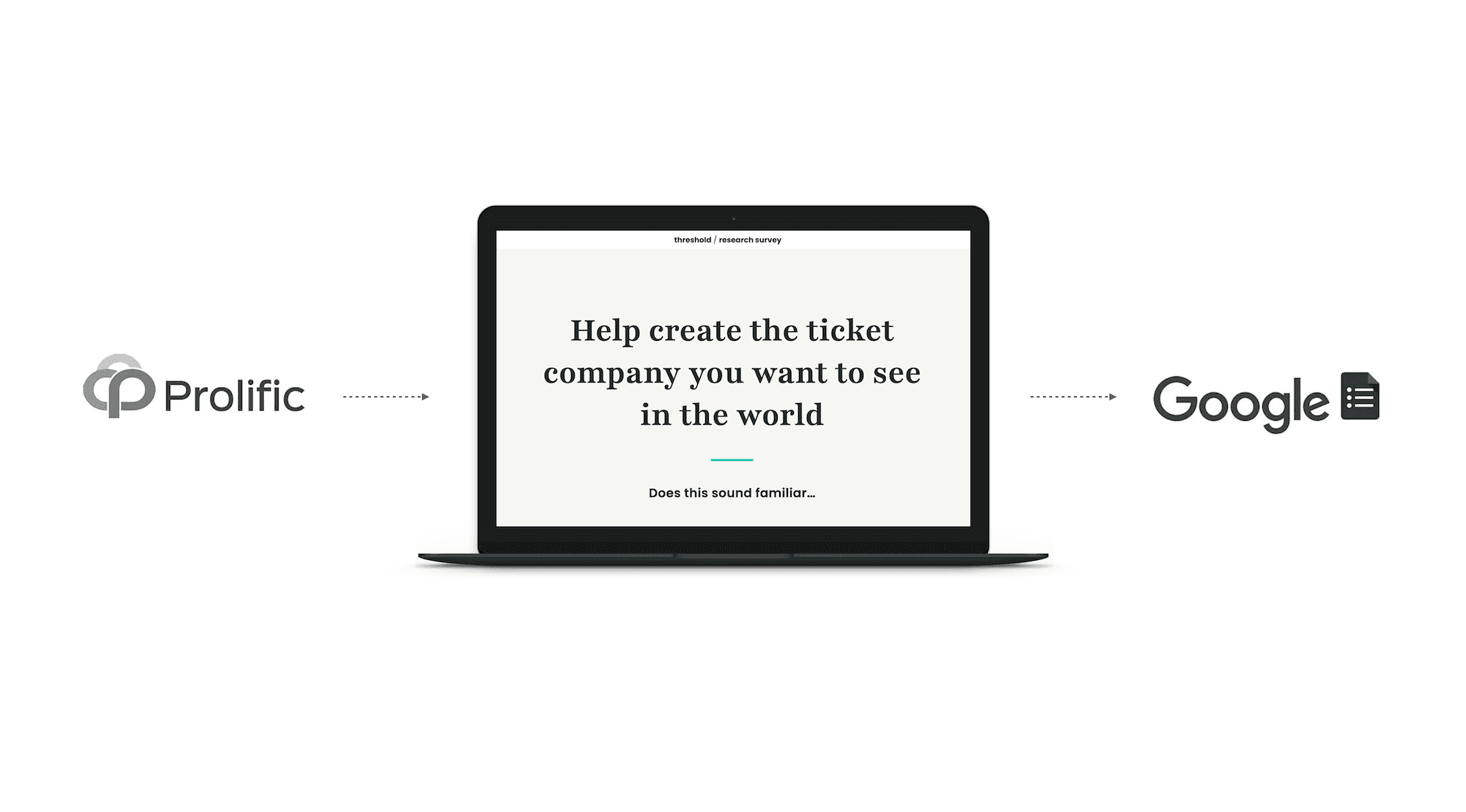
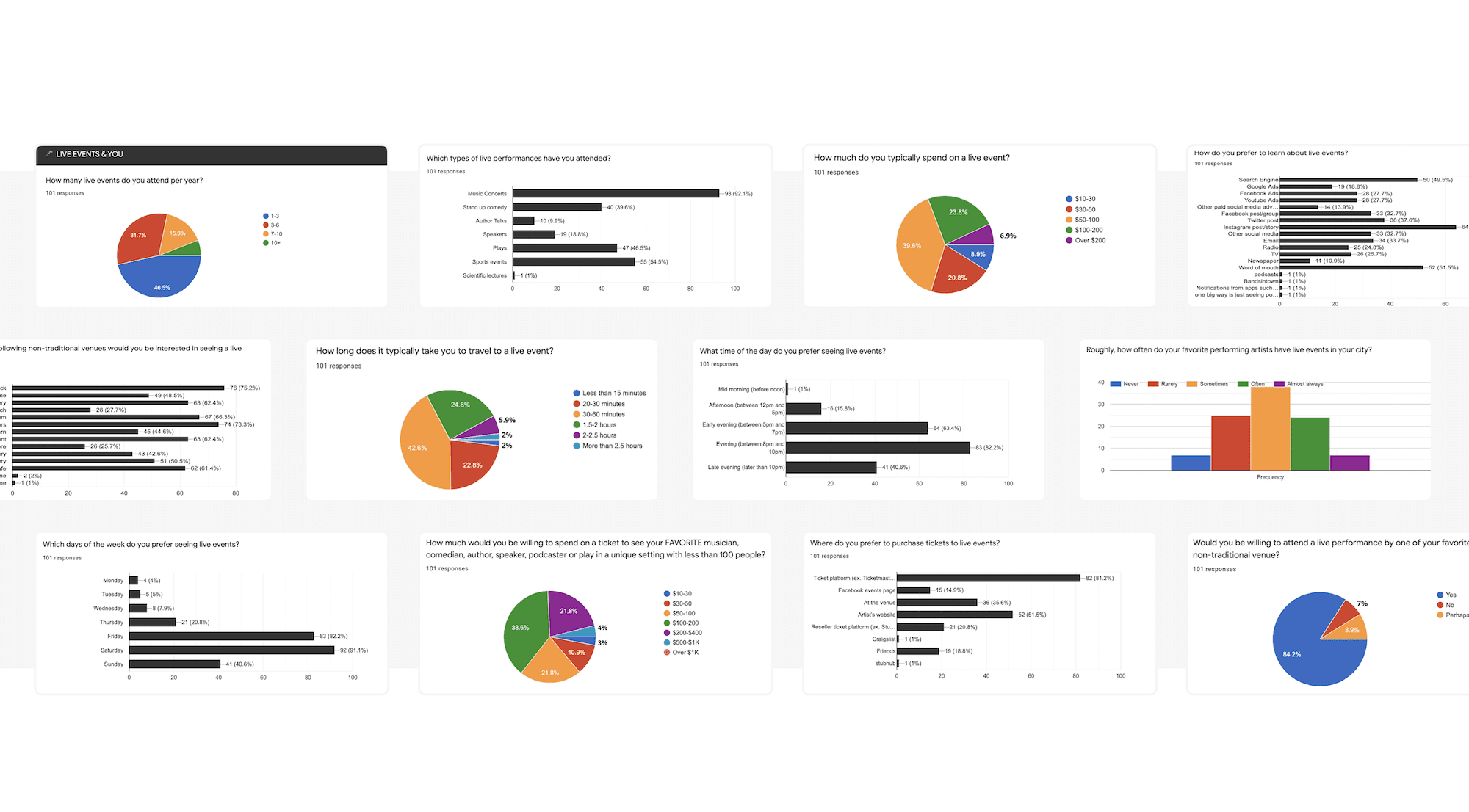
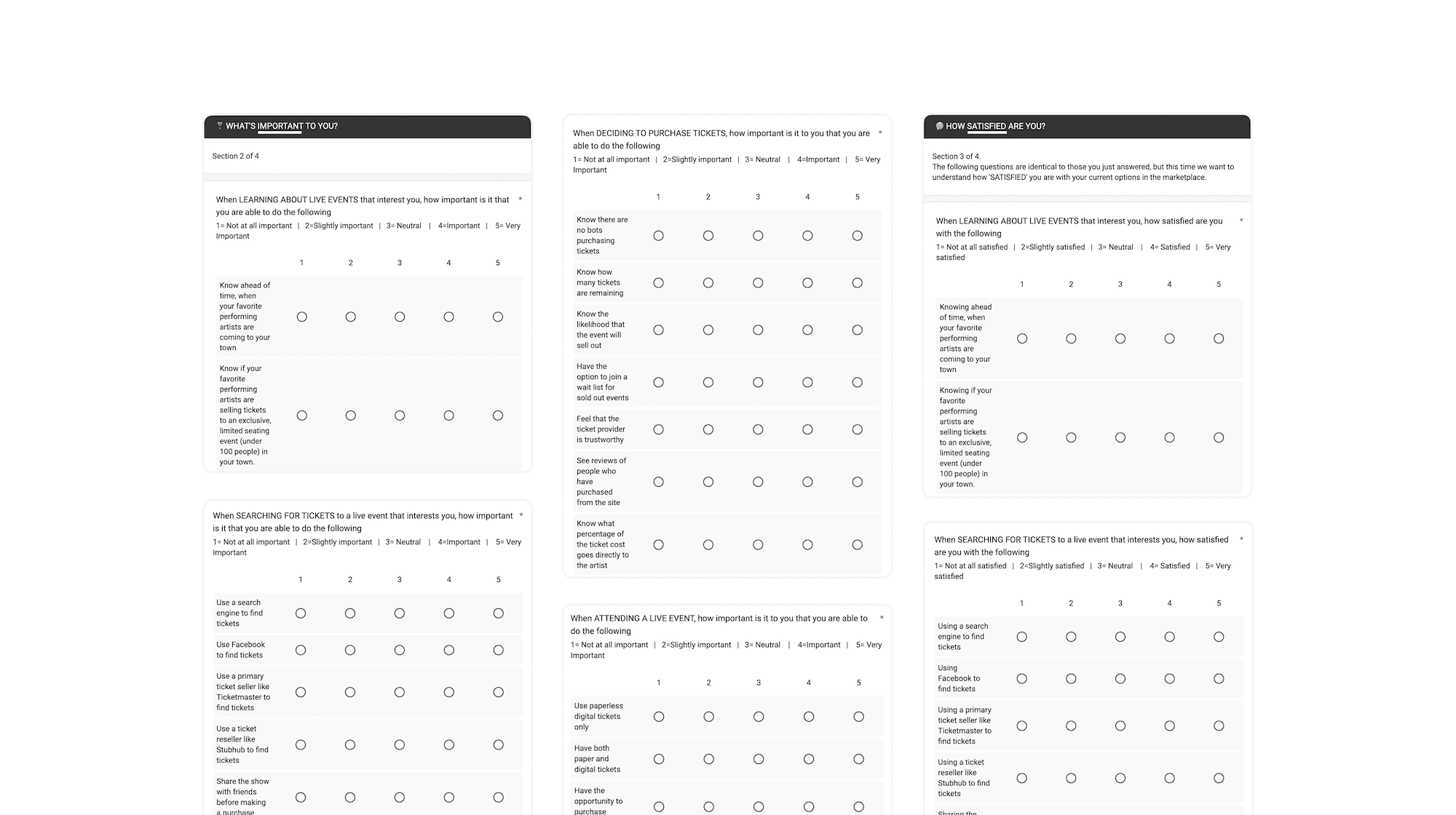
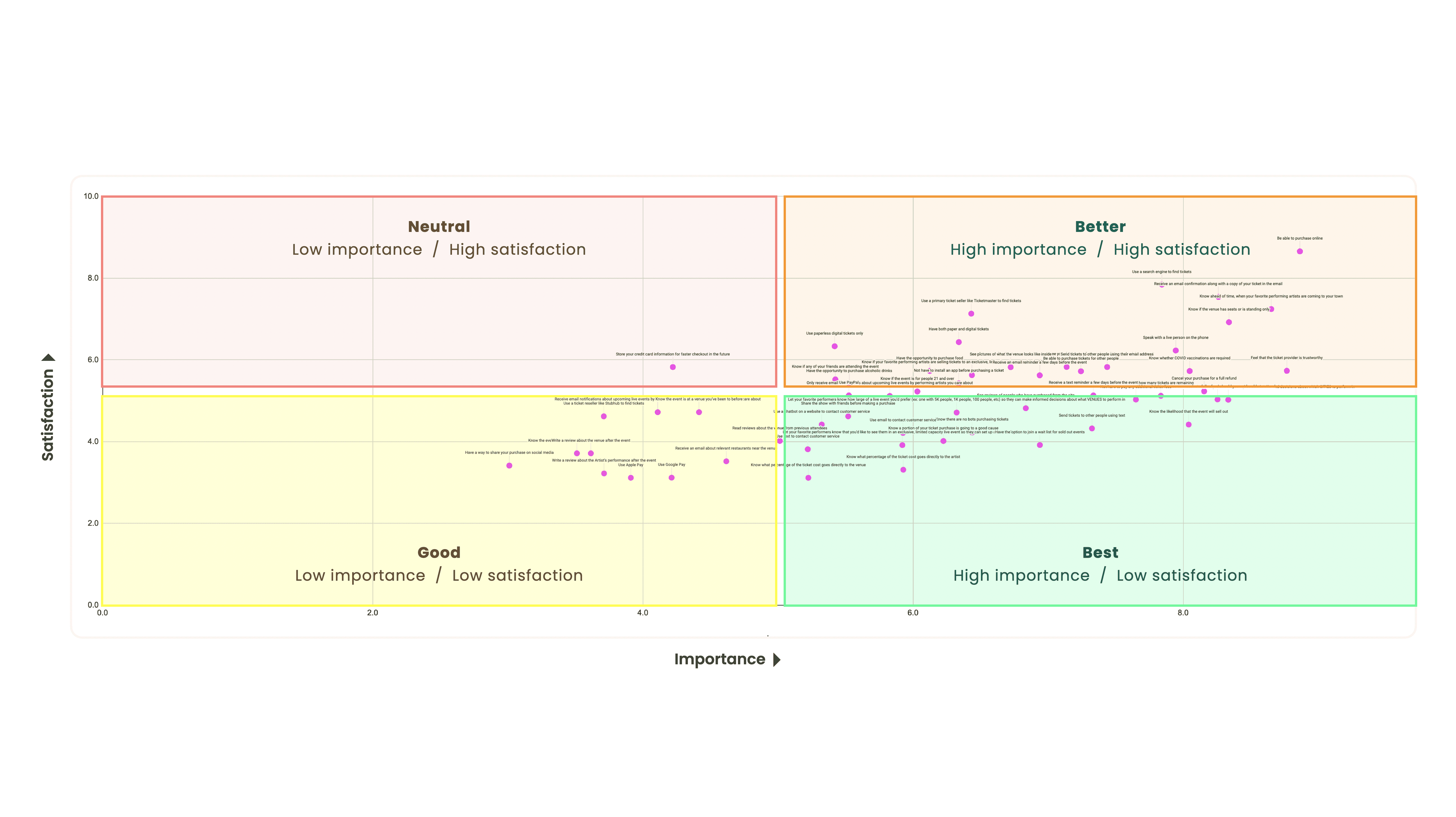
I also interviewed musicians, attendees, and hosts directly, surveyed more than 1,000 people to find where importance was high and satisfaction was low, and studied the existing competitive landscape.
A clear pattern emerged.
Artists didn't know where to play, how large their audience was, or what to charge. Fans didn't even know the shows existed.
No one had a clear picture of the house show market, so I built one myself.
I mapped existing house show activity across the U.S., looked at pricing and demand patterns, and scraped social posts from fans and hosts to uncover recurring behaviors, workarounds, and friction points.
I also interviewed musicians, attendees, and hosts directly, surveyed more than 1,000 people to find where importance was high and satisfaction was low, and studied the existing competitive landscape.
A clear pattern emerged.
Artists didn't know where to play, how large their audience was, or what to charge. Fans didn't even know the shows existed.
Solution
Solution
Turning signal into product
Turning signal into product
Once I understood the core problems, I moved quickly into shaping a solution.
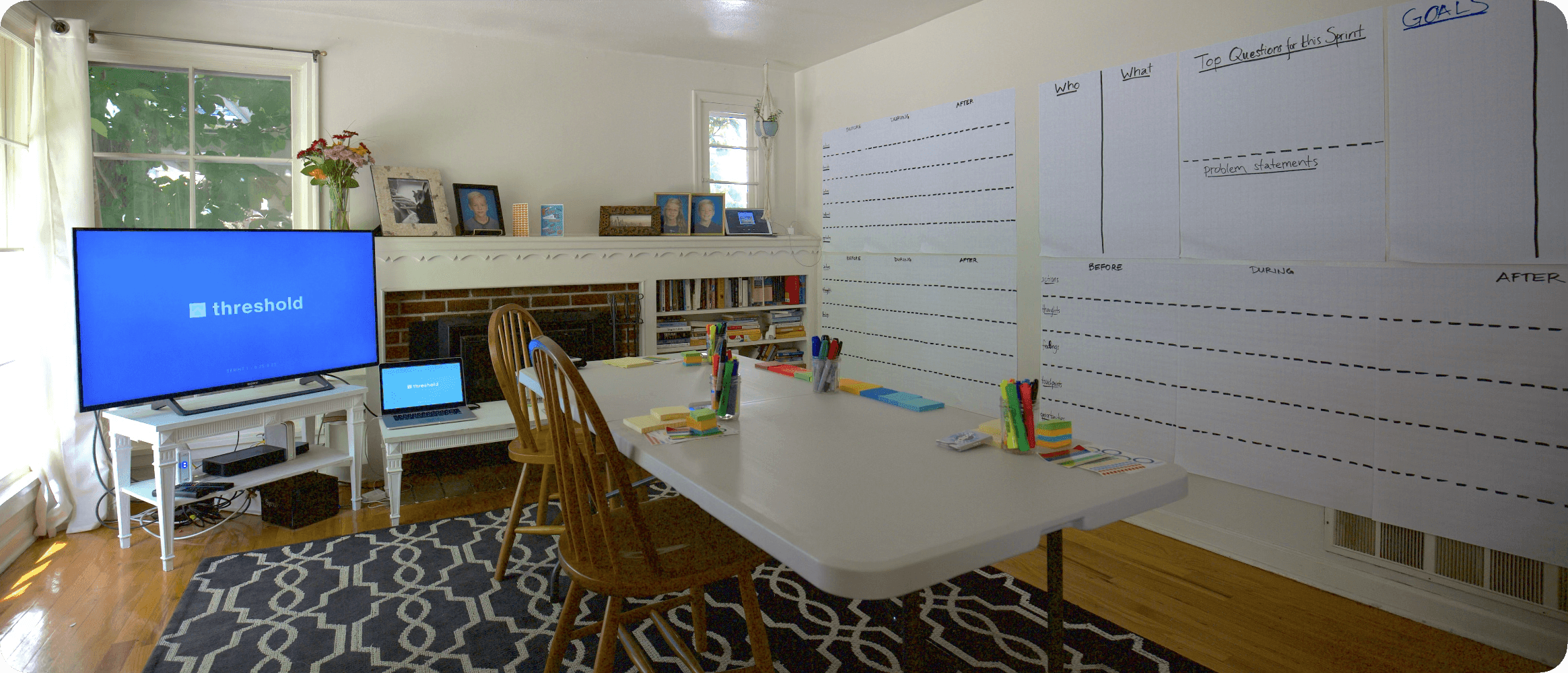
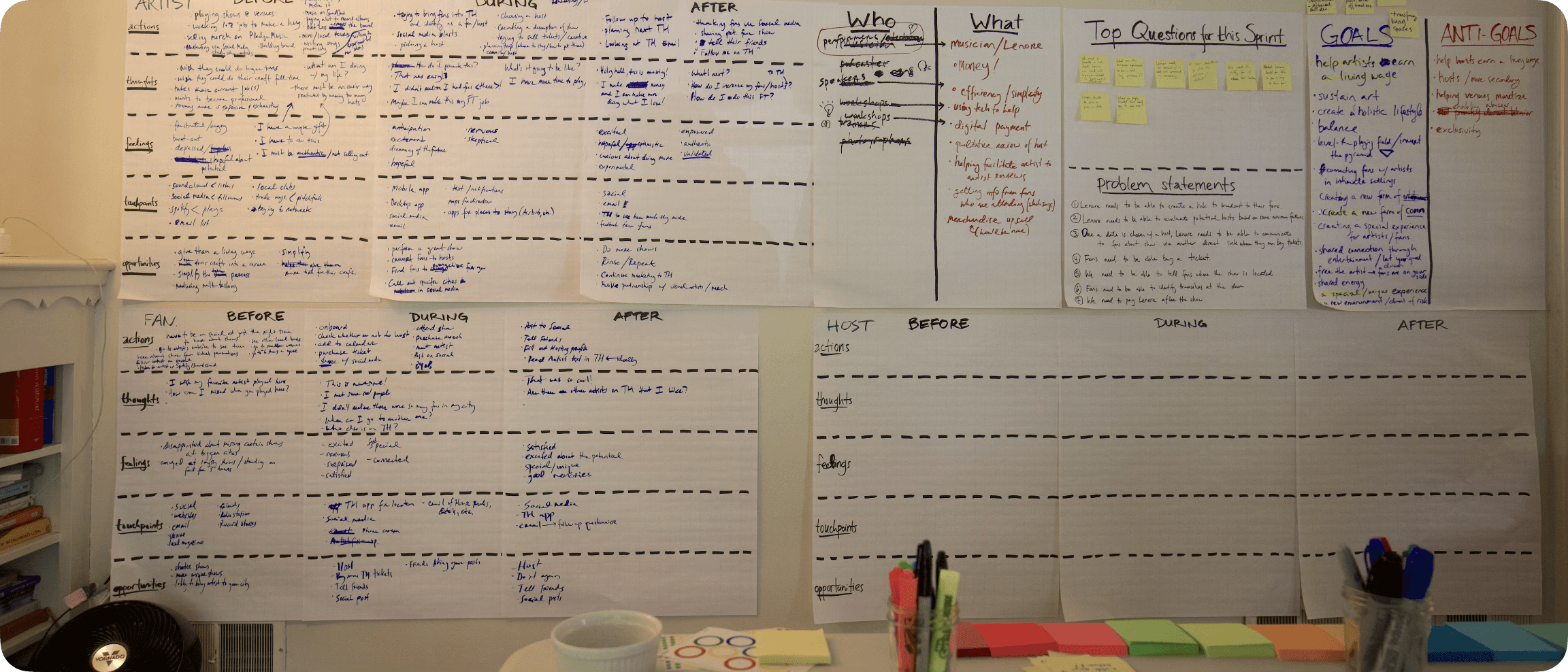
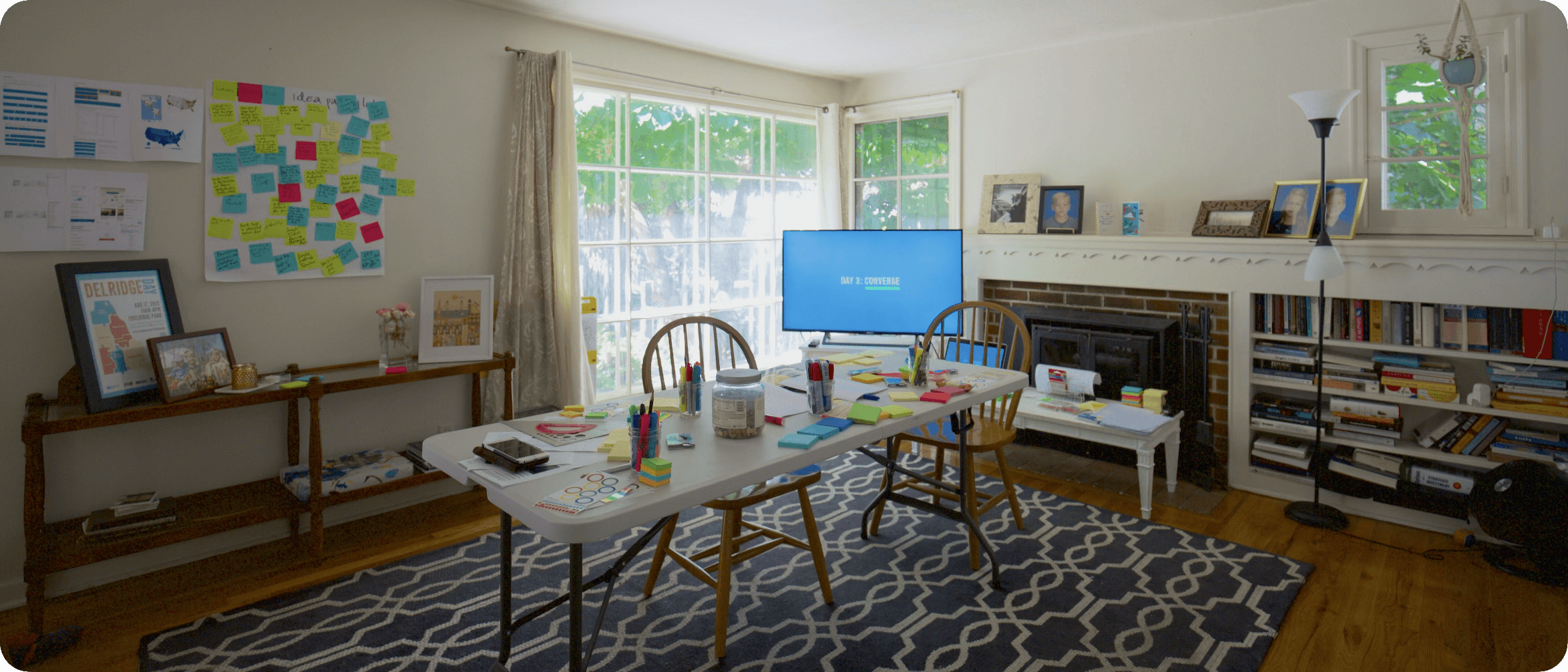
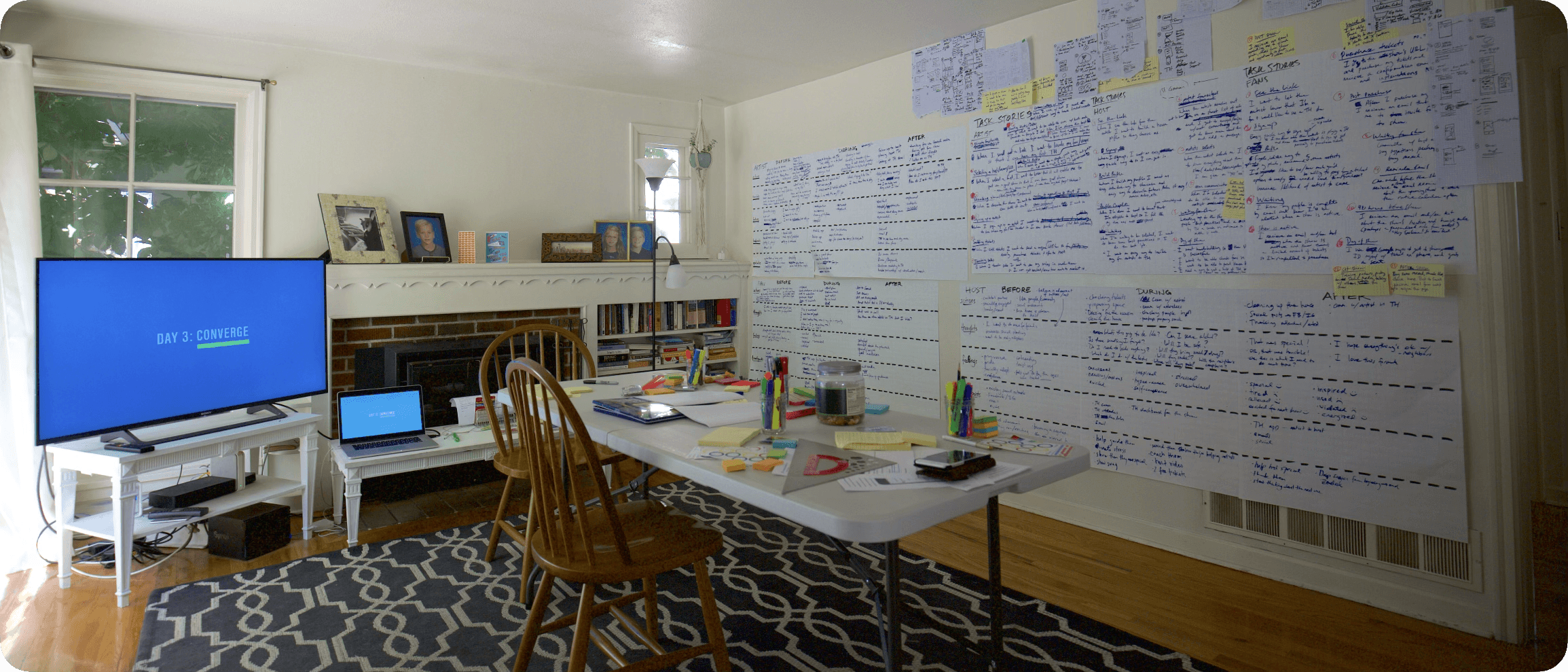
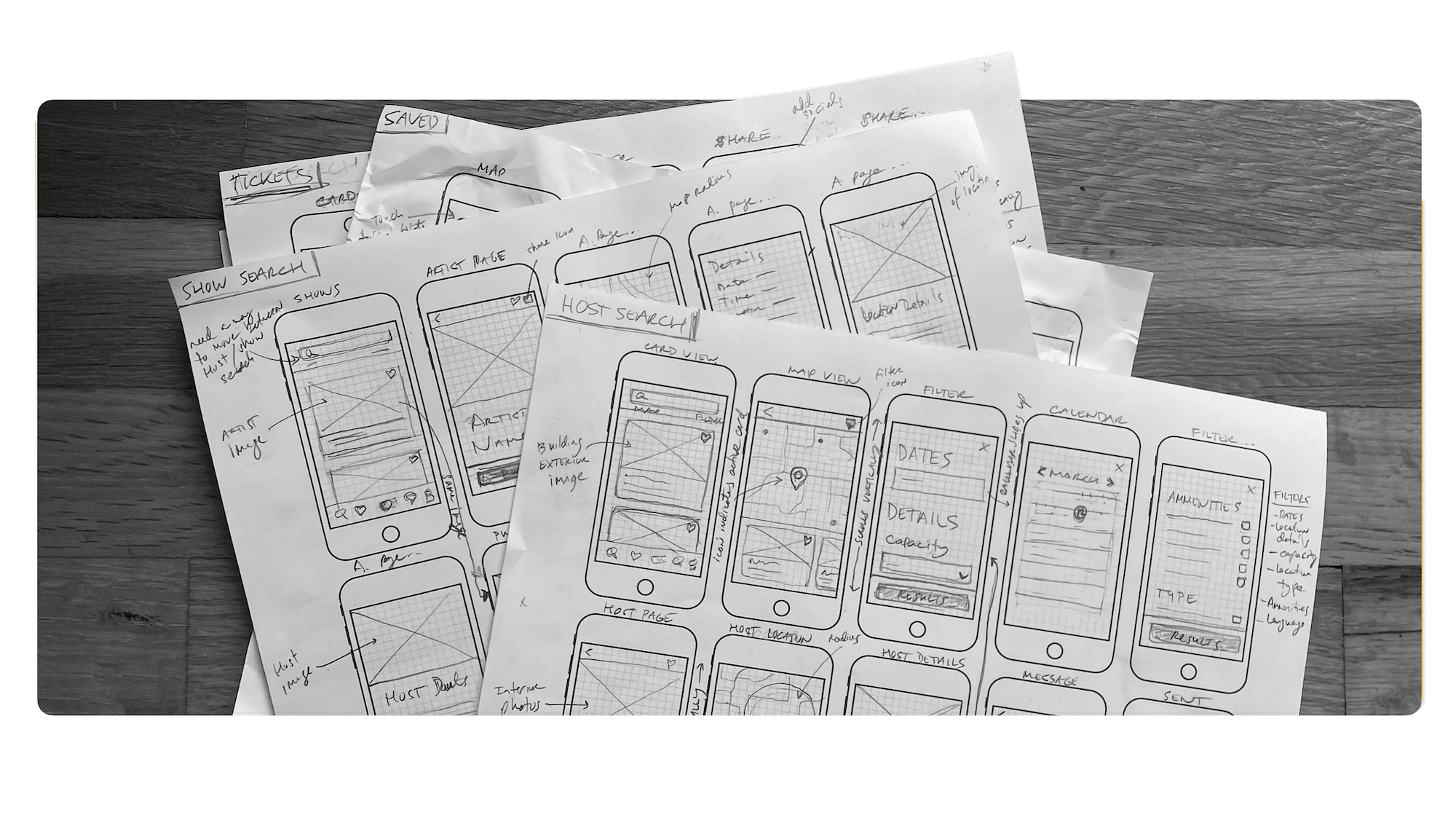
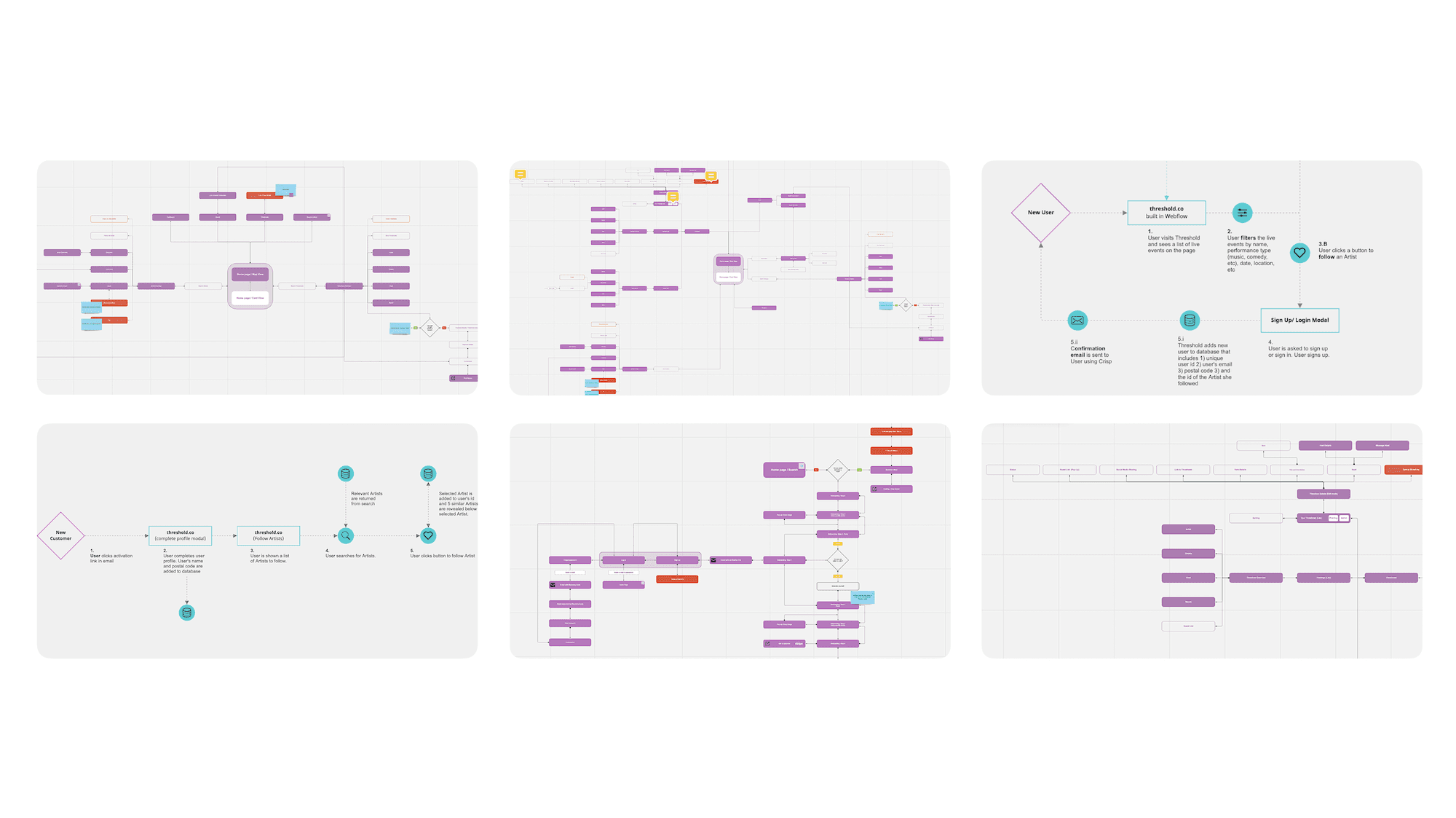
I kicked things off with a five-day design sprint at my house to better understand the space, explore divergent and convergent solutions, build a lo-fi prototype, and test it with real users. From there, I sketched core user flows and interface ideas, then worked closely with engineers to define the app’s architecture and ensure the product could scale beyond a promising concept.
Once I understood the core problems, I moved quickly into shaping a solution.
I kicked things off with a five-day design sprint at my house to better understand the space, explore divergent and convergent solutions, build a lo-fi prototype, and test it with real users. From there, I sketched core user flows and interface ideas, then worked closely with engineers to define the app’s architecture and ensure the product could scale beyond a promising concept.
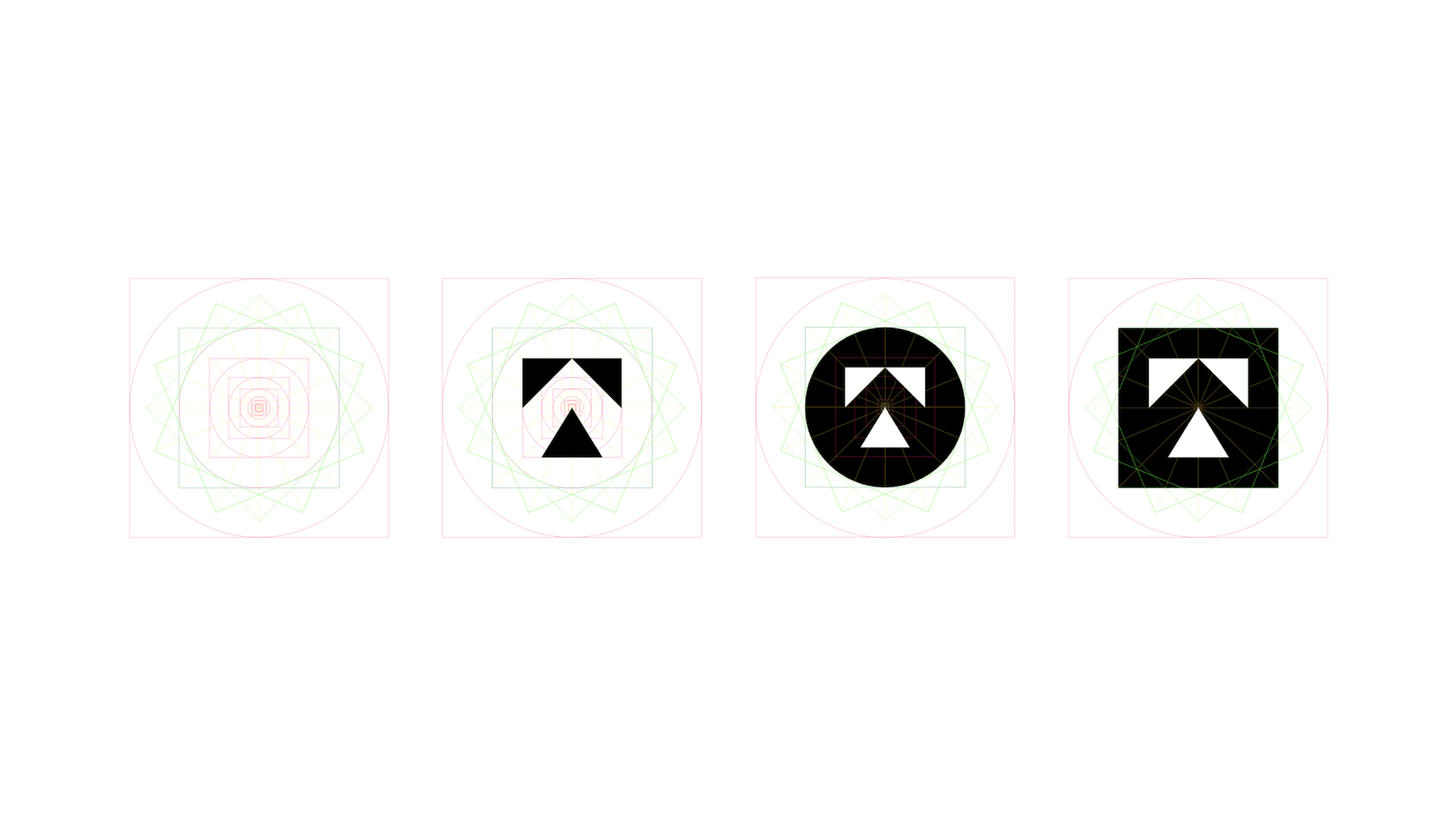
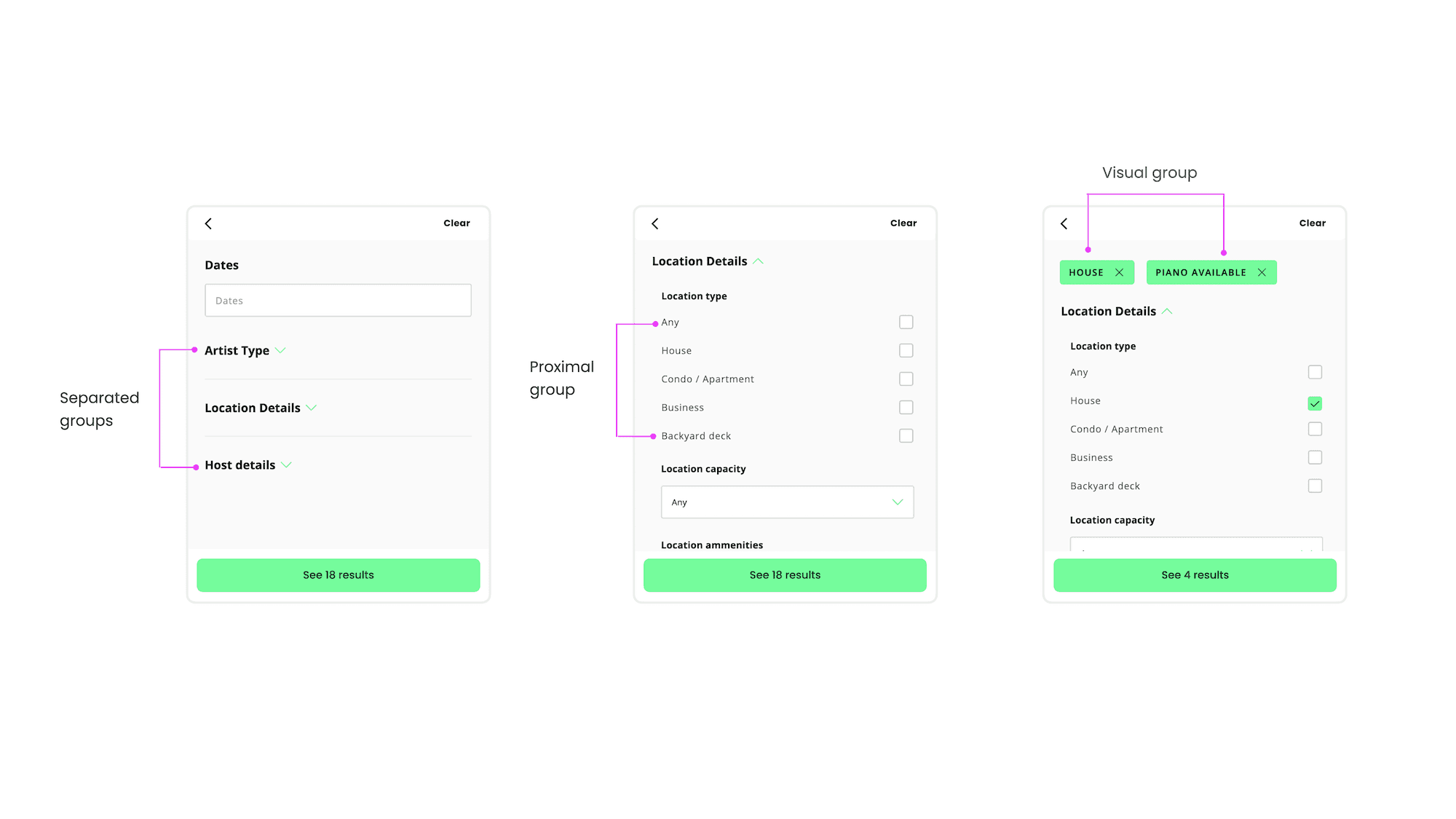
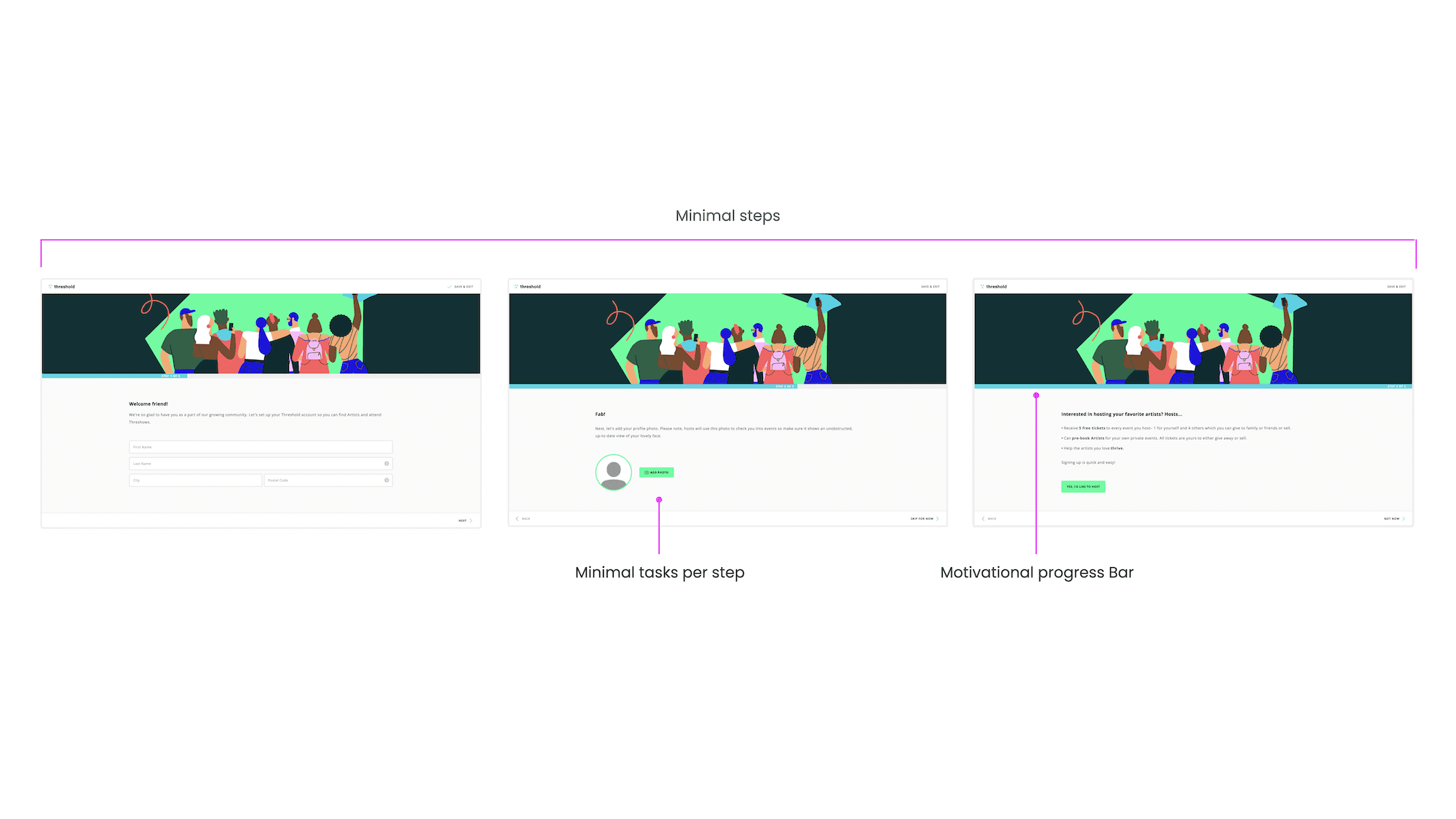
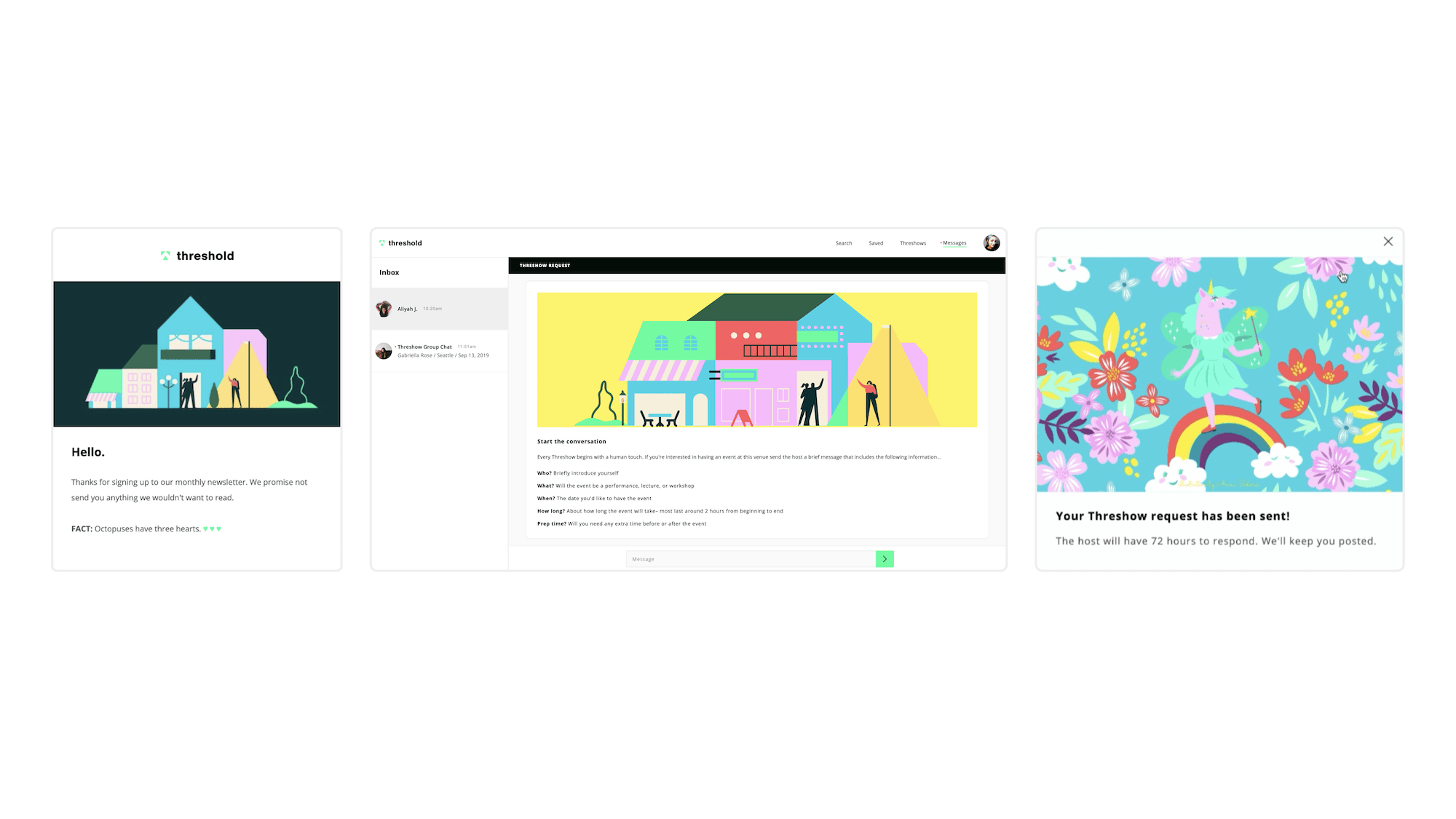
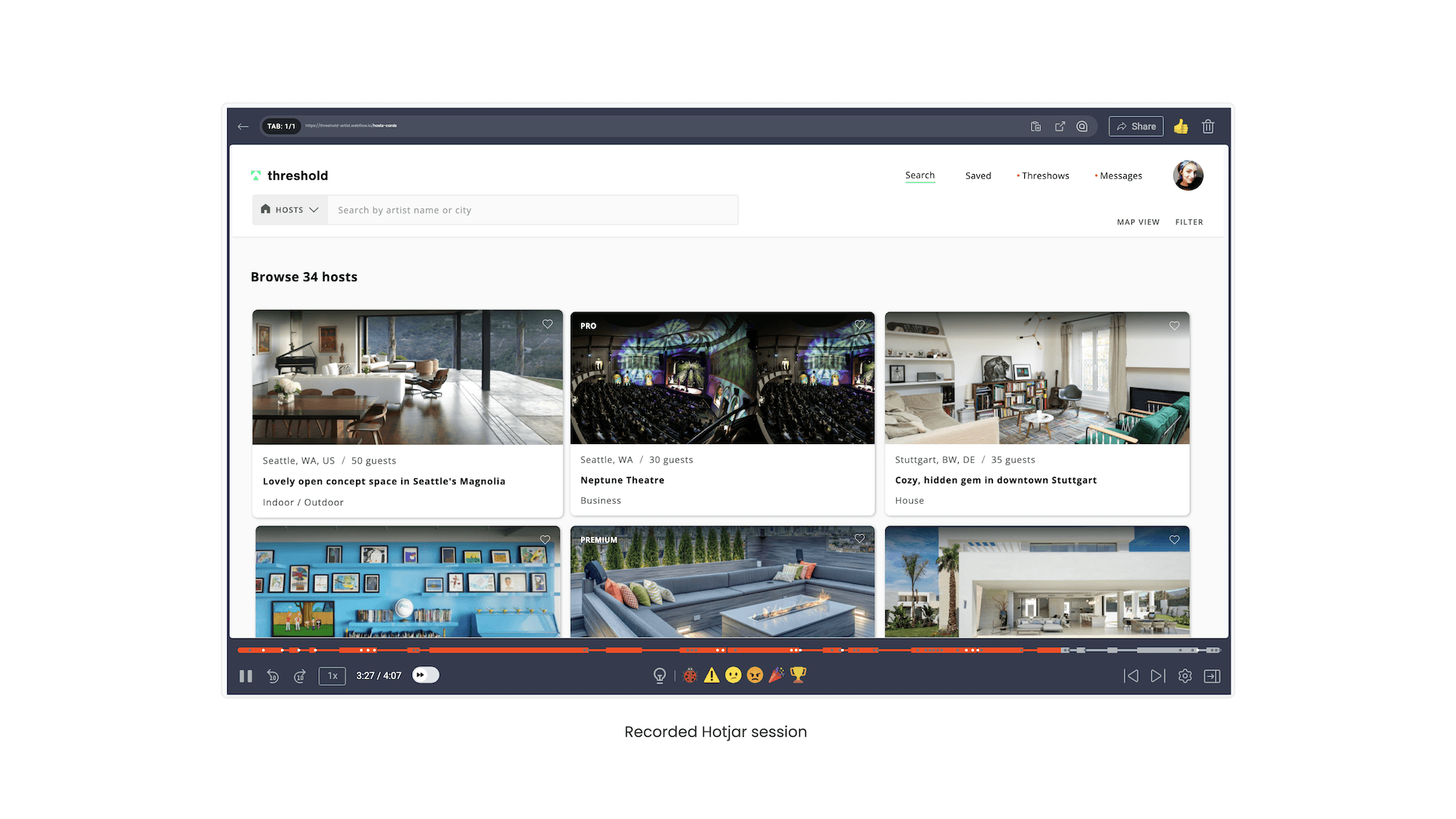
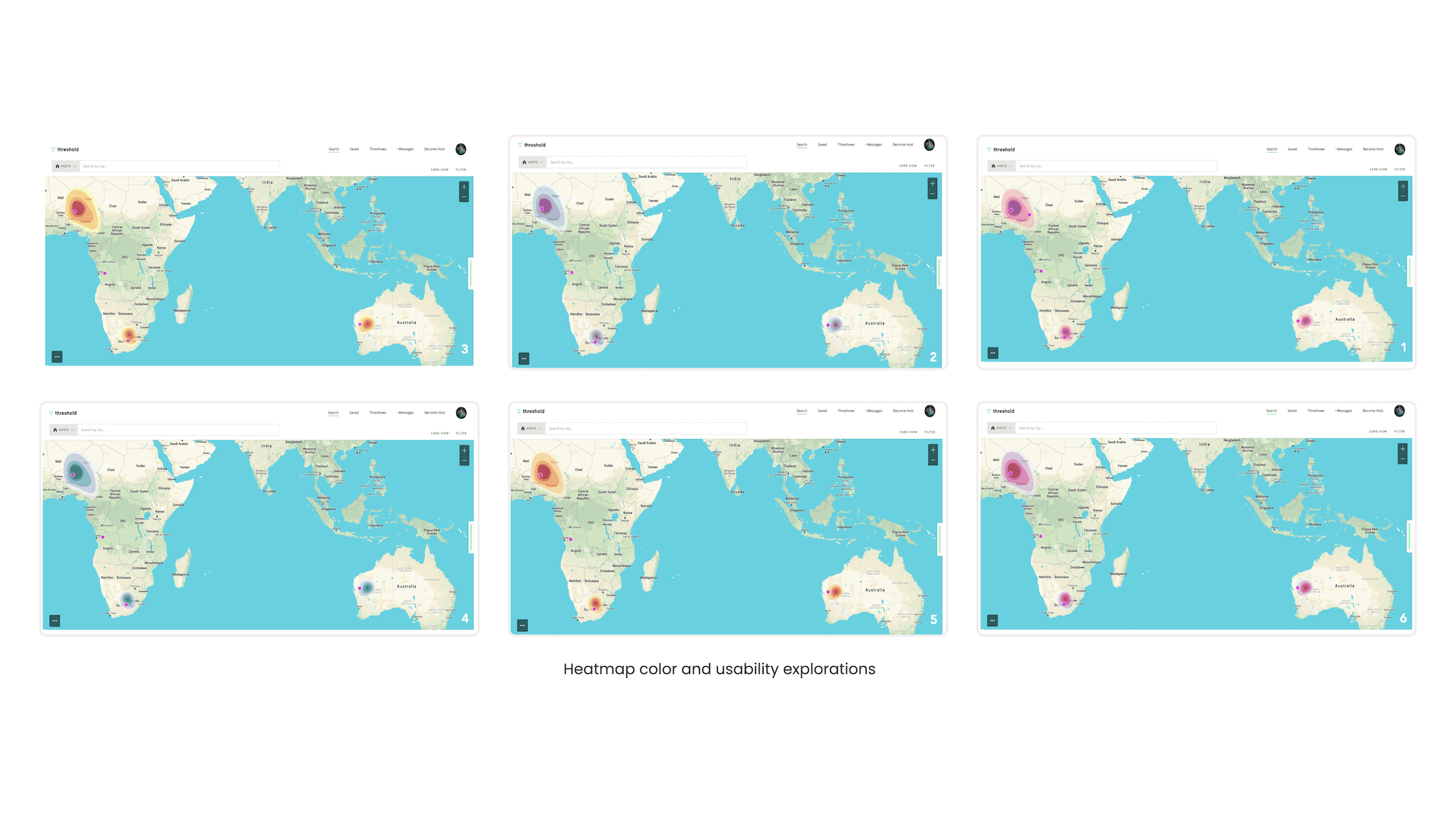
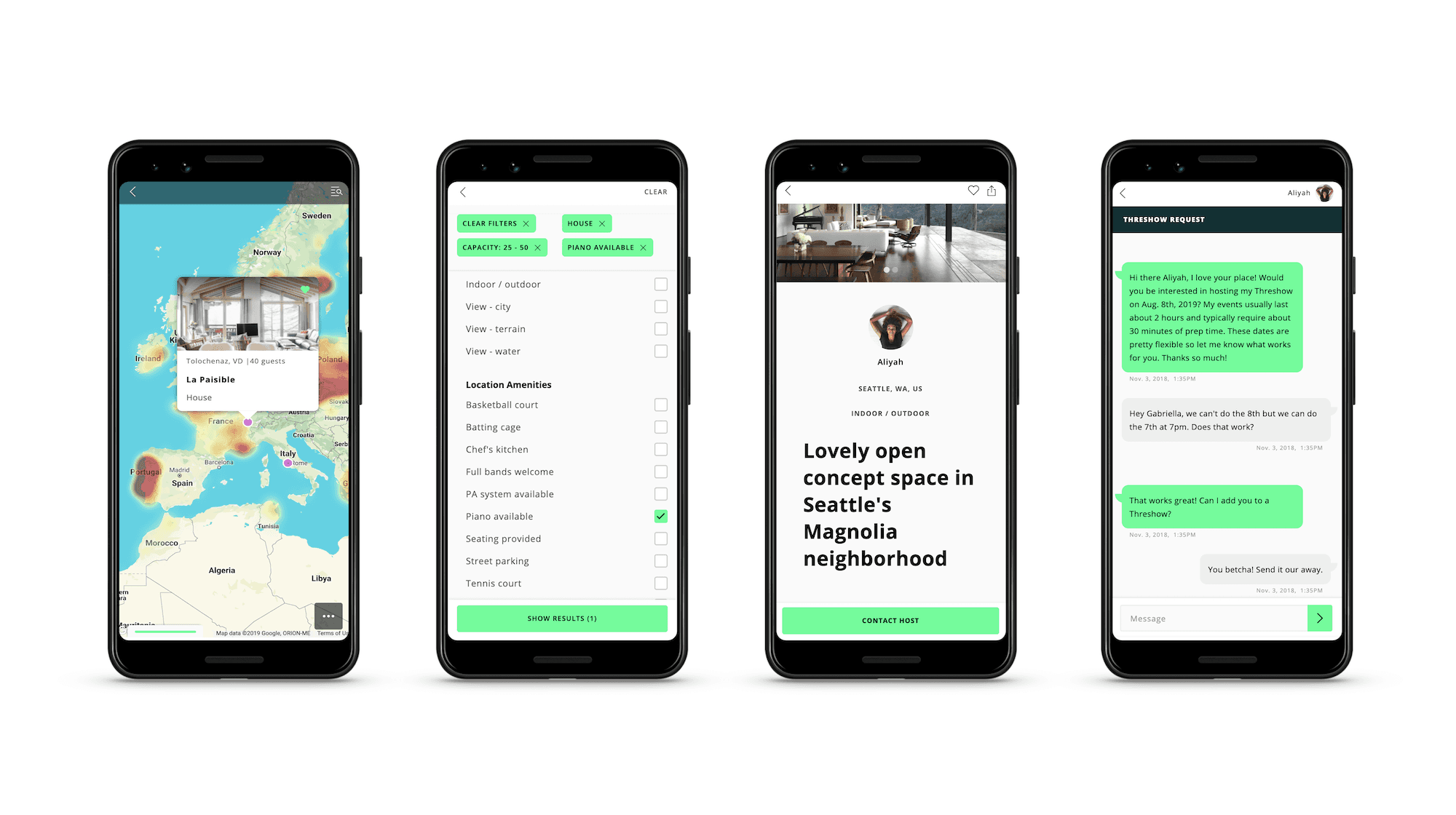
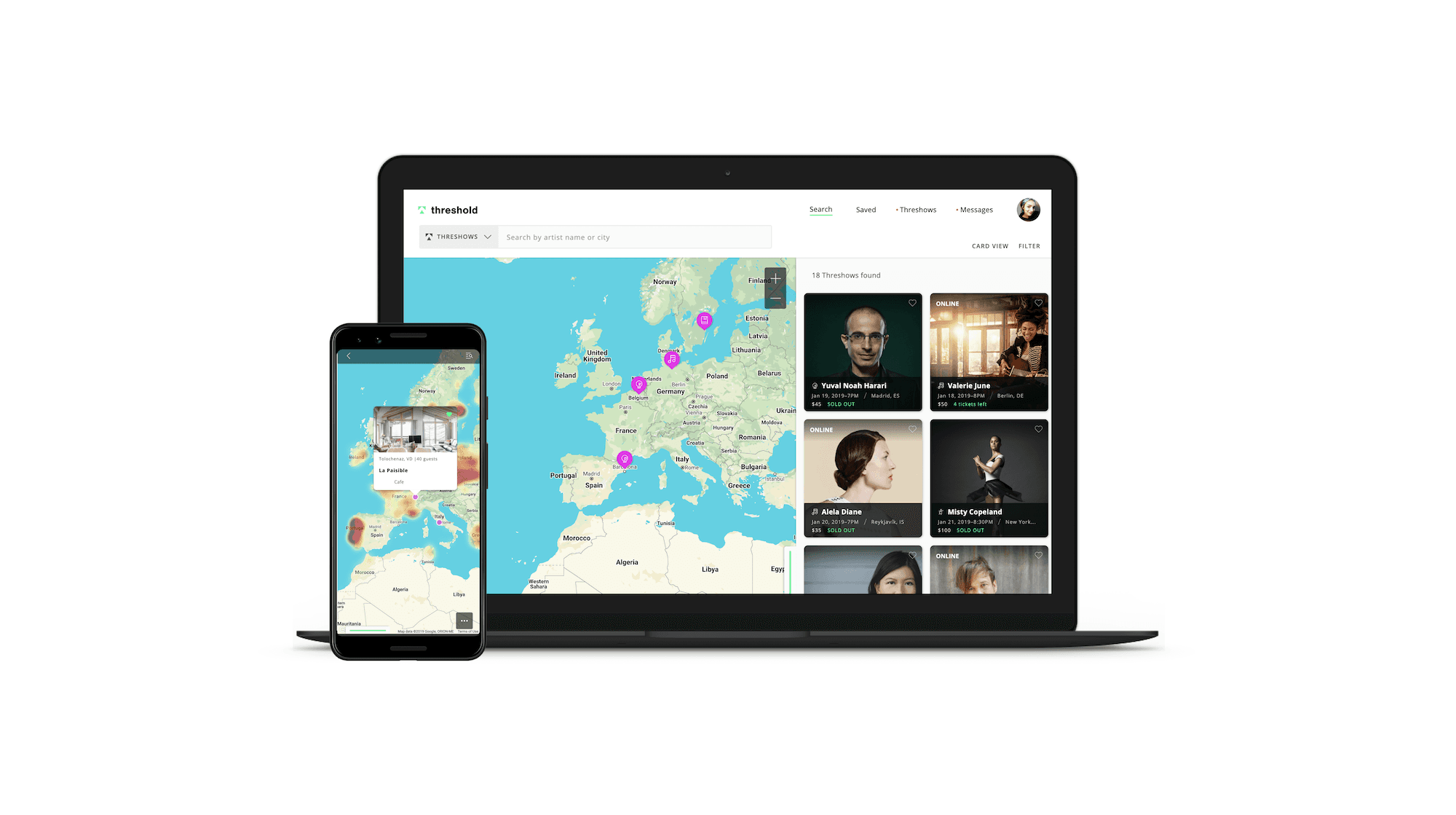
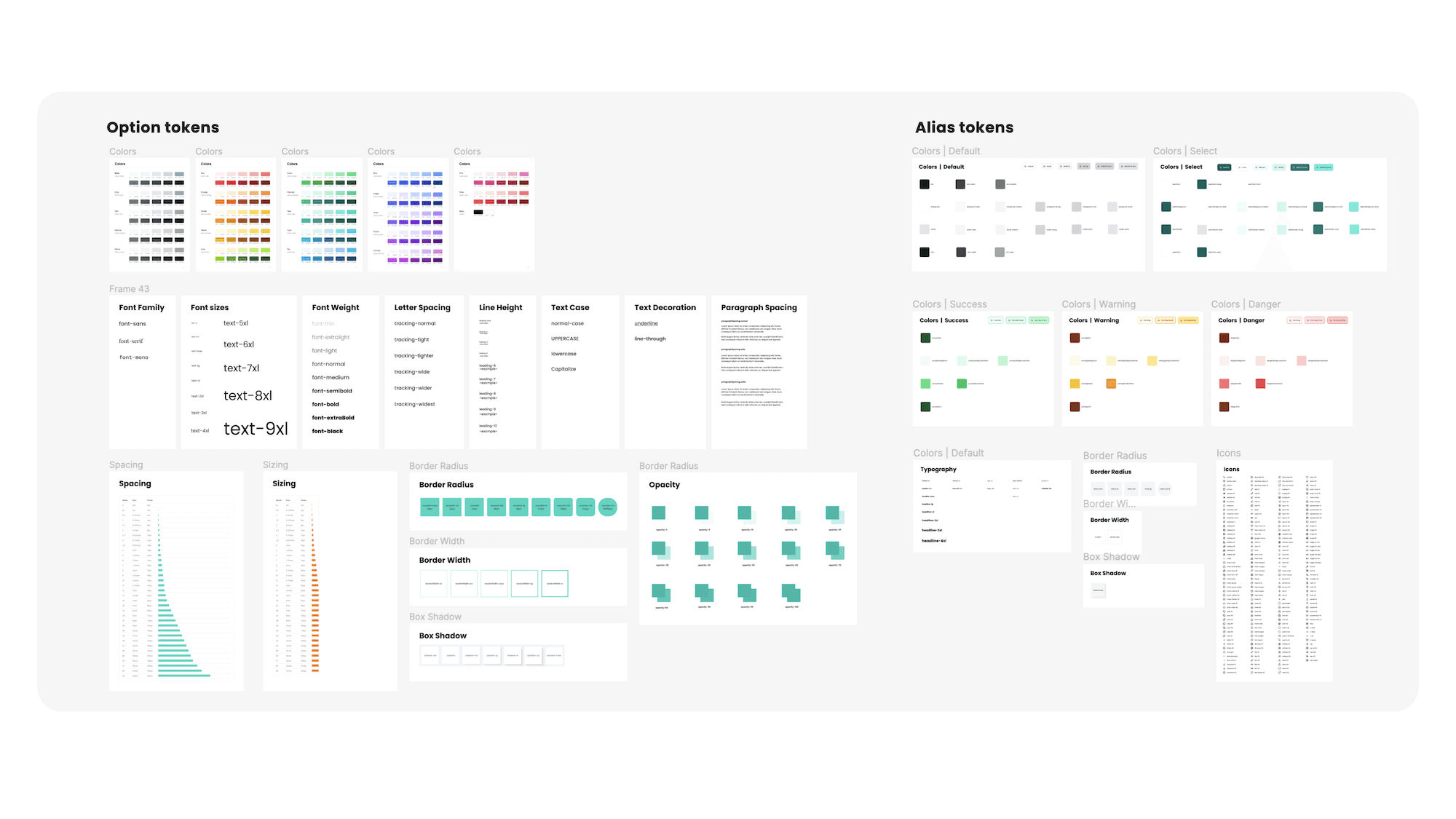
With the foundation in place, I built a tokenized design system, developed a symbolically rich logo mark and visual language, and used behavioral design principles to shape the high-fidelity experience. I ran usability testing with tools like Hotjar, refined the product based on feedback, and iterated on details ranging from onboarding to map readability and heatmap color treatment.
With the foundation in place, I built a tokenized design system, developed a symbolically rich logo mark and visual language, and used behavioral design principles to shape the high-fidelity experience. I ran usability testing with tools like Hotjar, refined the product based on feedback, and iterated on details ranging from onboarding to map readability and heatmap color treatment.
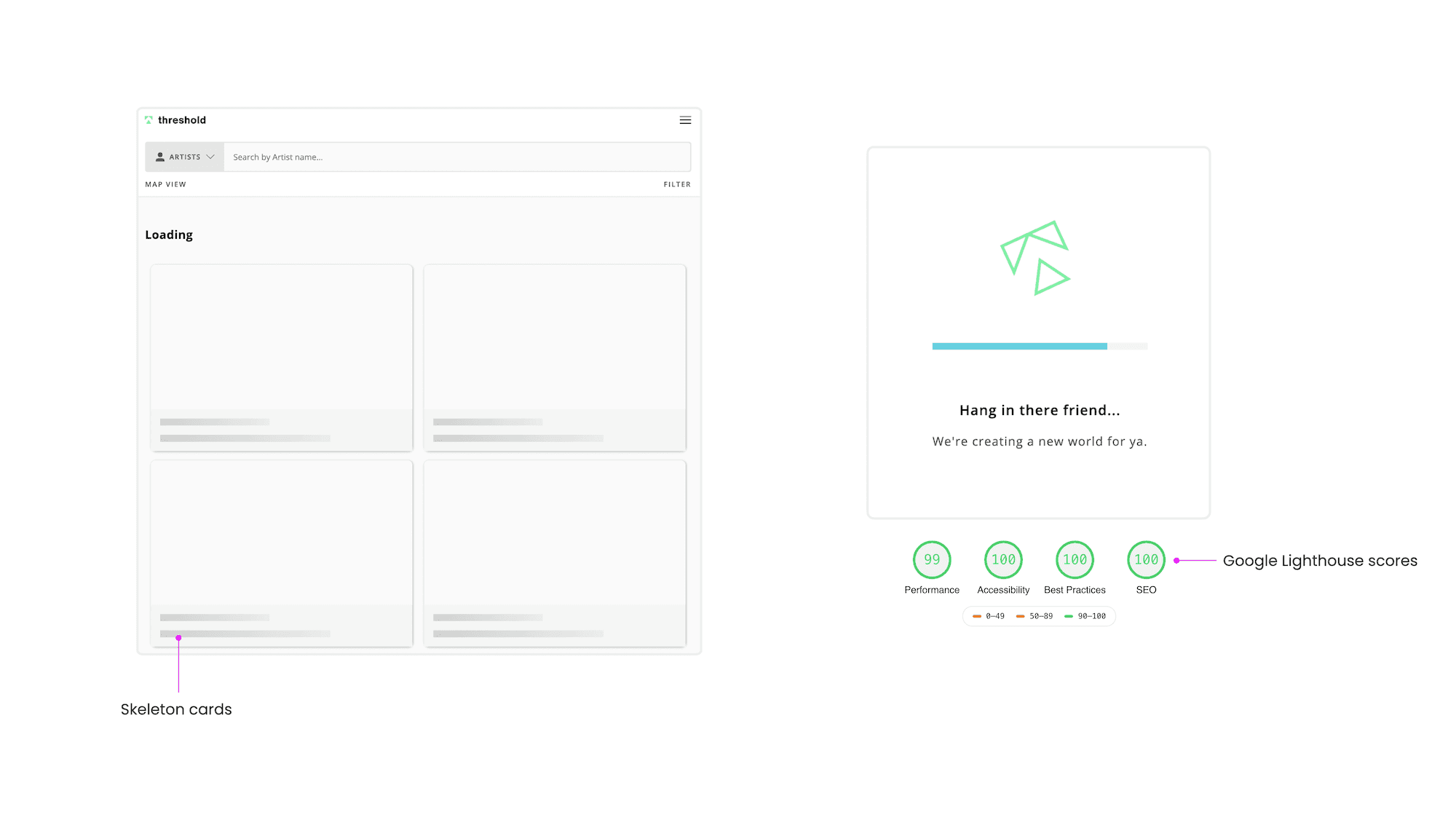
The end result was a fully responsive progressive web app built with React, Redux, GraphQL, and Node.js. It was designed to feel simple, trustworthy, and fast, and engineering helped optimize performance to the point that we achieved near-perfect Google Lighthouse scores.
The end result was a fully responsive progressive web app built with React, Redux, GraphQL, and Node.js. It was designed to feel simple, trustworthy, and fast, and engineering helped optimize performance to the point that we achieved near-perfect Google Lighthouse scores.
Impact
Impact
A good idea with unfortunate timing
A good idea with unfortunate timing
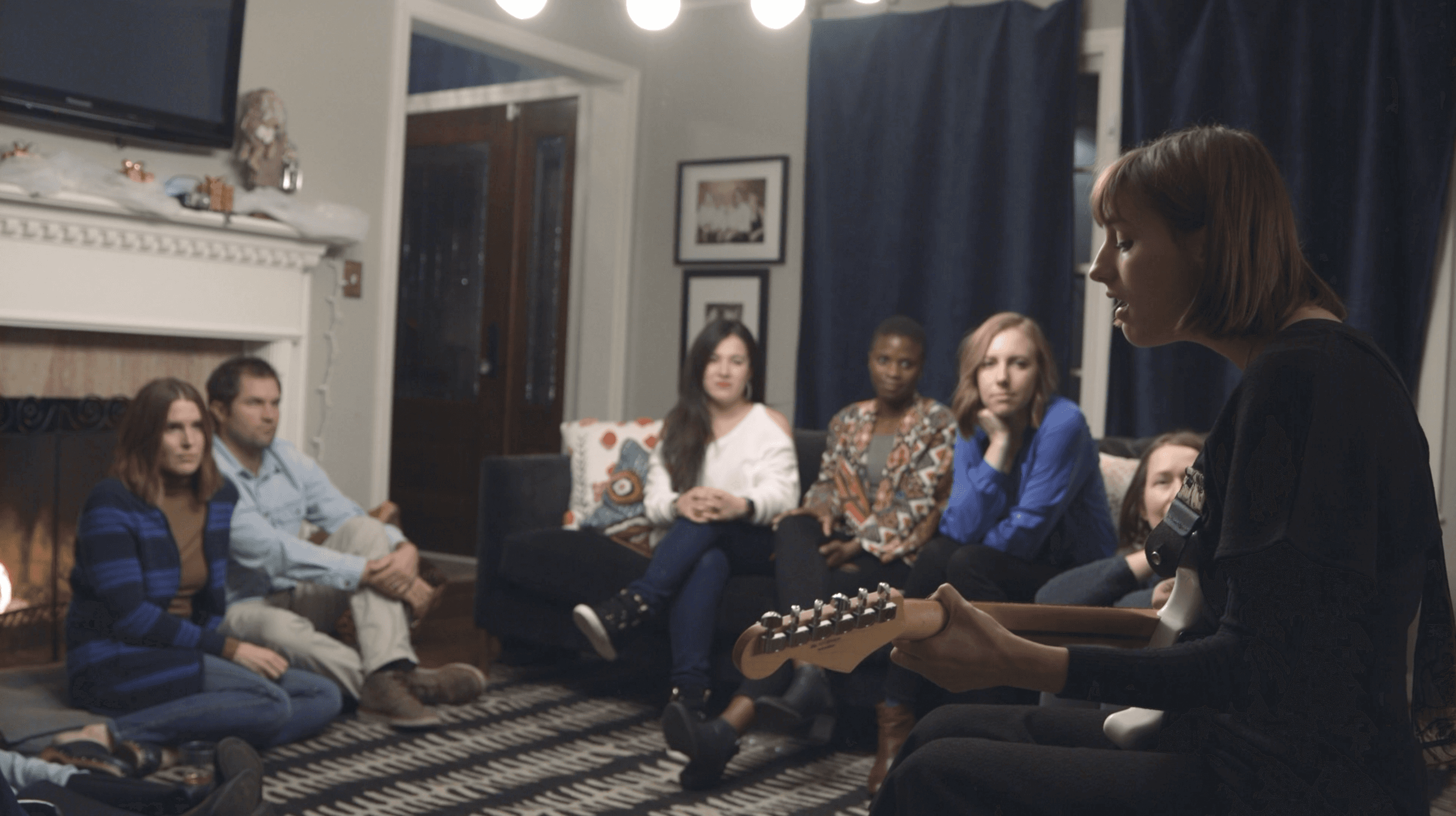
We set out to launch an MVP in nine months and sell 30 tickets at $30 within the first year.
We hit a stable beta in seven and a half months. A month after that, we sold over 50 tickets at $30 for a local musician's house show. We ran two more events with similar turnout, which gave us early proof that the model could work.
COVID hit Seattle soon after, putting an end to all in-person events. We quickly pivoted to virtual events to keep the platform running and continue testing the model.
We set out to launch an MVP in nine months and sell 30 tickets at $30 within the first year.
We hit a stable beta in seven and a half months. A month after that, we sold over 50 tickets at $30 for a local musician's house show. We ran two more events with similar turnout, which gave us early proof that the model could work.
COVID hit Seattle soon after, putting an end to all in-person events. We quickly pivoted to virtual events to keep the platform running and continue testing the model.
Reflection
Reflection
The why
The why
Threshold validated real demand for intimate experiences between artists and fans. Our early events sold out quickly. Fans loved it, and artists saw a new way to reach their audience while increasing their incomes.
I'm proud to have taken Threshold from an idea to reality. Building the brand, designing the product, launching the platform, and proving it worked in the real world.
But the thing I'm most proud of is taking a risk for a vision of the future where art is at the center of everyday life. A vision echoed by JFK over 60 years ago.
Threshold validated real demand for intimate experiences between artists and fans. Our early events sold out quickly. Fans loved it, and artists saw a new way to reach their audience while increasing their incomes.
I'm proud to have taken Threshold from an idea to reality. Building the brand, designing the product, launching the platform, and proving it worked in the real world.
But the thing I'm most proud of is taking a risk for a vision of the future where art is at the center of everyday life. A vision echoed by JFK over 60 years ago.
When I pitched investors, a global pandemic wasn't on my list of risks. Threshold taught me that even well researched products are vulnerable to forces you can't see coming.
If I could start over, I'd go smaller. I'd find two or three established performers with a million plus fans, build relationships with their managers and agents, and design the first version of the app around them.
What I wouldn’t change is why I built Threshold in the first place– a vision articulated by JFK 60 years earlier and one we carried into our mission video above.
“We look forward to an America which will reward achievement in the arts as we reward achievement in business or statecraft.
We look forward to an America which will steadily raise the standards of artistic accomplishment and which will steadily enlarge cultural opportunities for all of our citizens.
And we look forward to an America which commands respect around the world, not only for its strength, but for its civilization as well.
If art is to nourish the roots of our culture, society must set the Artist free to follow her vision wherever it takes her.”
-John F. Kennedy, Oct 26th 1963, Amherst College
“We look forward to an America which will reward achievement in the arts as we reward achievement in business or statecraft.
We look forward to an America which will steadily raise the standards of artistic accomplishment and which will steadily enlarge cultural opportunities for all of our citizens.
And we look forward to an America which commands respect around the world, not only for its strength, but for its civilization as well.
If art is to nourish the roots of our culture, society must set the Artist free to follow her vision wherever it takes her.”
-John F. Kennedy, Oct 26th 1963, Amherst College
Let’s chat
© 2026